
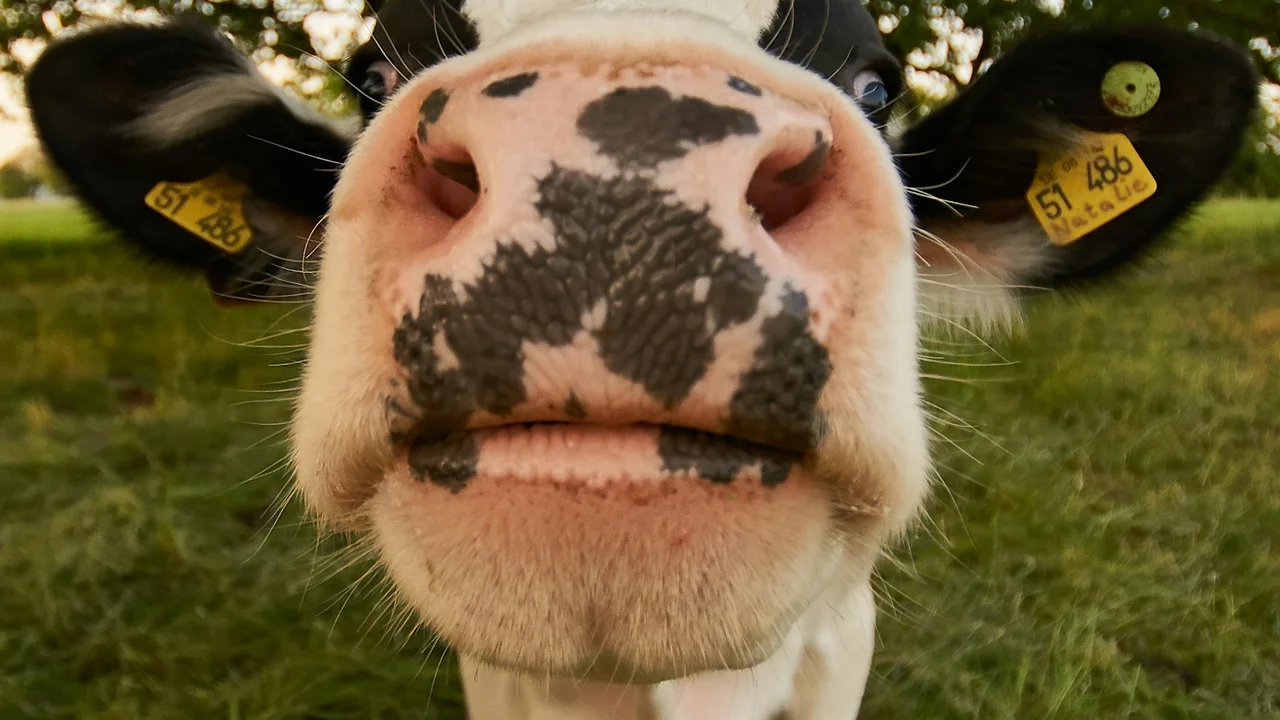
Effective mastitis prevention in dairy cattle and buffaloes protects milk yield, milk quality, and udder longevity through strict milking hygiene and diagnostics.
Estimated reading time: 11 min read
Mastitis—inflammation of the mammary gland—is the single costliest disease challenging Pakistan’s dairy industry. Across the intensive commercial dairy belts of Punjab and Sindh, where purebred Holstein-Friesian, Jersey, Sahiwal cattle, and indigenous Nili-Ravi buffaloes are managed, mastitis accounts for catastrophic economic losses. These losses stem not only from discarded milk and veterinary treatment costs but, more importantly, from permanent glandular tissue damage, premature culling, and hidden subclinical production deficits.
For every visible case of acute clinical mastitis characterized by clots, discoloration, and painful udder swelling, herds typically harbor between 15 to 40 cases of subclinical mastitis. Subclinically infected quarters appear outwardly normal, yet silently depress daily milk yield by 10 to 25 percent and dramatically elevate bulk-tank somatic cell counts (SCC). Modern herd profitability requires a shift from reactive single-quarter treatment to an integrated, proactive udder health management program.
Epidemiological Classification: Contagious vs. Environmental Pathogens
- Contagious Pathogens: Primary organisms include Staphylococcus aureus, Streptococcus agalactiae, and Mycoplasma bovis. Their primary habitat is infected mammary tissue. Transmission occurs predominantly during the milking process through milkers’ hands, communal udder-washing sponges, and contaminated milking-machine liners. S. aureus frequently establishes deep micro-abscesses in the parenchyma, creating chronic carrier animals that resist routine therapy.
- Environmental Pathogens: Primary agents include coliform bacteria (Escherichia coli and Klebsiella pneumoniae) and environmental streptococci (Streptococcus uberis). Their reservoir is the cow’s immediate environment—feces, damp bedding, pond water, and slurry lagoons. Infection occurs between milkings or during the dry period when cows lie down in contaminated resting yards with relaxed teat sphincters.
Milking Parlor Discipline: The 5-Step Milking Hygiene Protocol
- Fore-stripping and Clinical Inspection: Express 2 to 3 streams of foremilk into a strip cup before cluster attachment. This stimulates oxytocin release, flushes the high-bacteria streak canal, and allows immediate visual identification of clots or watery milk. Foremilk must never be stripped onto the floor or milker’s palm.
- Pre-Milking Teat Disinfection: Apply a fast-acting, skin-conditioning pre-dip (e.g., 0.5% available iodine or lactic acid formulation) ensuring full teat coverage. Pre-dipping reduces bacterial loads on teat skin by up to 85 percent prior to unit attachment.
- Targeted Contact Time and Single-Service Drying: Allow the disinfectant 30 to 45 seconds of contact time to achieve maximum bactericidal kill. Thoroughly dry each teat with a clean, single-service paper towel or individual laundered cloth. Never use communal sponges or cloths across multiple cows.
- Accurate Unit Alignment and Controlled Take-Off: Attach milking clusters within 60 to 90 seconds of tactile stimulation to maximize peak milk flow. Avoid over-milking; machine vacuum must be calibrated between 38 to 44 kPa depending on low-line or high-line configuration. Vacuum shut-off must occur before cluster removal to prevent teat-end trauma.
- Post-Milking Teat Dipping and Standing Period: Immediately dip all four teats with a barrier-forming germicidal post-dip (1.0% iodine or chlorhexidine) that conditions the skin. Ensure cows remain standing at the feed bunk for at least 45 minutes following milking while the teat sphincter canal contracts.
Dry-Period Udder Health and Selective Dry-Cow Therapy
The dry period (typically 45 to 60 days before anticipated calving) is the most critical phase for curing existing subclinical infections and preventing new dry-period intramammary invasions. Intramammary infections acquired during the early dry period or two weeks prior to calving frequently manifest as devastating acute clinical mastitis during early peak lactation.
- Low-SCC Healthy Quarters: Quarters without clinical history and low SCC are sealed with non-antibiotic internal bismuth subnitrate teat sealants. This establishes a dense physical barrier blocking pathogen entry through the dry period without antibiotic selection pressure.
- High-SCC or Documented Quarters: Infected quarters receive a veterinary-approved long-acting dry-cow antibiotic tube infused under aseptic conditions, immediately followed by internal teat sealant.

Cow-Side Diagnostics and Somatic Cell Count Surveillance
Routine diagnostic screening prevents subclinical disease from eroding herd profitability. The California Mastitis Test (CMT) remains the gold standard for immediate, cost-effective cow-side surveillance. Every cow should be screened with CMT at dry-off, at 7 days post-calving, and monthly throughout lactation.
- SCC < 200,000 cells/mL: Healthy udder quarter; no clinical intervention required.
- SCC 200,000 – 500,000 cells/mL: Early subclinical inflammation; mark for CMT paddle testing and milker hygiene review.
- SCC > 500,000 cells/mL: Established subclinical or chronic intramammary infection; isolate, culture milk for pathogen identification, and formulate a targeted veterinary therapy plan.
Housing Management and Bedding Hygiene
Environmental mastitis is an engineering and cleanliness challenge. In Pakistani feedlot and stall configurations, resting areas must be maintained clean, dry, and comfortably bedded. When using sand bedding, ensure daily raking and organic waste removal; sand does not support bacterial growth, making it superior to wet sawdust or straw.
Furthermore, shaded loafing yards must be properly graded with positive slopes to prevent stagnant slurry puddles during the monsoon season. Regular scraping of alleyways reduces splash contamination onto udders and lower flanks.
Key Takeaways for Dairy Producers
- Subclinical Loss Exceeds Clinical Cost: Subclinical mastitis depresses herd yield silently; implement monthly CMT screening on all lactating cows.
- Discipline in the Milking Parlor: Enforce the 5-step milking sequence, use single-service teat drying towels, and apply germicidal post-milking barrier dips without exception.
- Selective Dry-Cow Strategy: Pair internal teat sealants with targeted long-acting intramammary tubes to eliminate existing infections and prevent dry-period invasions.
- Dry, Comfortable Housing: Keep resting stalls clean, well-drained, and dry to stop environmental E. coli and Streptococcus uberis before they reach the teat canal.
- Observe Milk Withholding: Strictly follow product withholding periods during lactation treatments to protect consumer safety and preserve dairy processor trust.
References and Industry Standards
- National Mastitis Council (NMC) — Recommended milking procedures, microbiological diagnostic protocols, and control guidelines.
- WOAH Terrestrial Code: Bovine Mastitis Surveillance and Control.
- Journal of Dairy Science — Pathogen epidemiology, somatic cell count dynamics, and selective dry-cow therapy efficacy in dairy cattle.
- University of Veterinary and Animal Sciences (UVAS) Lahore — Subclinical mastitis prevalence and therapeutic sensitivity patterns in Pakistani dairy buffaloes.
Frequently Asked Questions
Prix Knowledge Centre
Stay informed on animal health insights
Receive updates on veterinary pharmaceuticals, poultry and livestock healthcare, and company news from Prix Pharmaceutica.
Explore our veterinary solutions
Browse veterinary pharmaceuticals and nutritional products for livestock, poultry, equine and companion animals, with technical support available on request.
Related articles

Pakistan Veterinary Pharmaceutical Industry Outlook 2027: Regulatory Modernization, Market Dynamics, and Quality Standards
An authoritative 2026–2027 strategic overview of Pakistan’s veterinary pharmaceutical sector, examining DRAP cGMP regulations, supply-chain resilience, export growth, and shifting livestock market dynamics.
Read article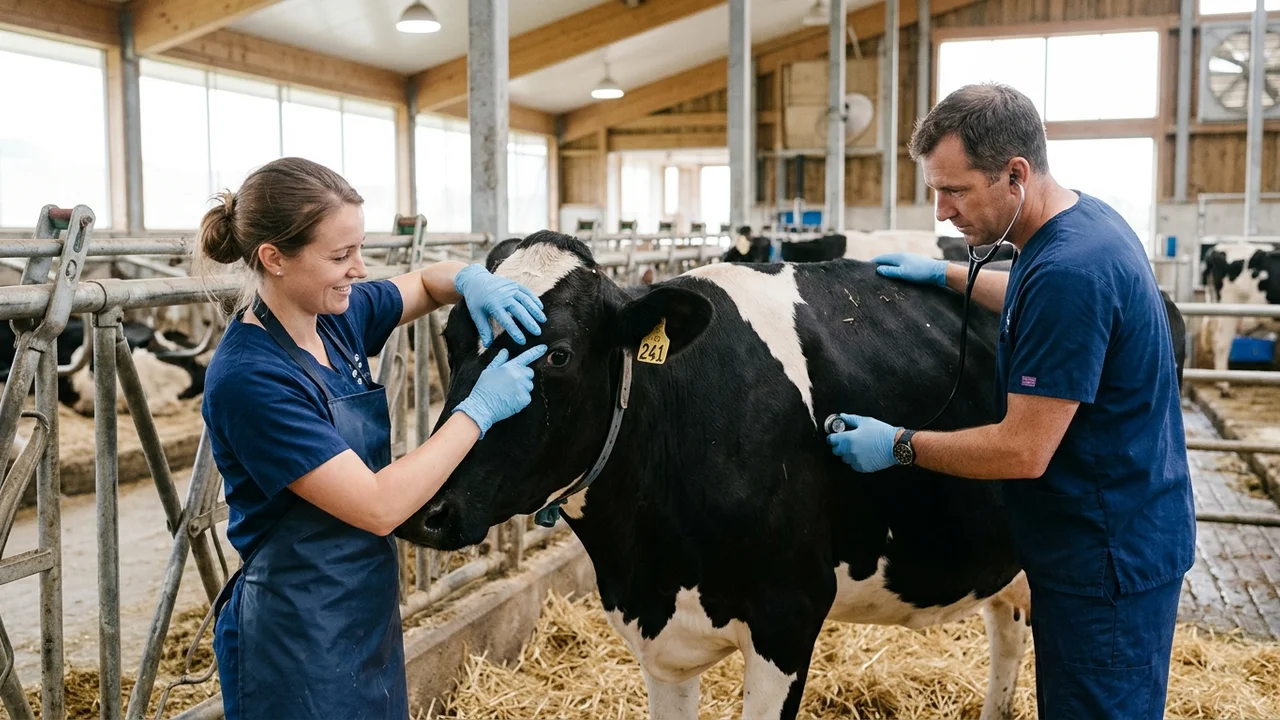
Antimicrobial Stewardship in Livestock: Responsible Antibiotic Use, AMR Risks, and Herd Health in Pakistan
An essential guide for Pakistani veterinarians and livestock producers on antimicrobial stewardship: prudent antibiotic selection, selective dry-cow protocols, AMR mitigation, and preventative herd biosecurity.
Read article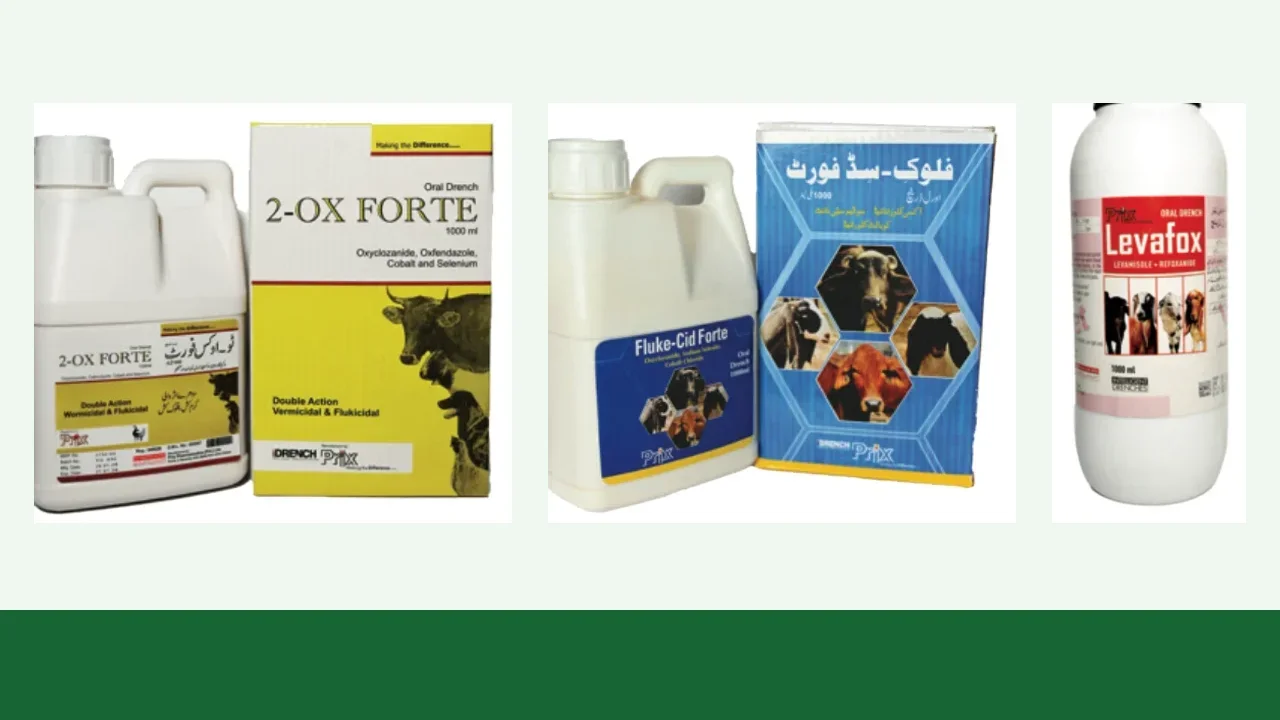
Livestock Deworming in Pakistan: Parasite Control, Anthelmintics and Veterinary Guidance
An educational guide to livestock deworming in Pakistan covering internal parasites, anthelmintics, resistance, farm management and responsible veterinary parasite control.
Read article