
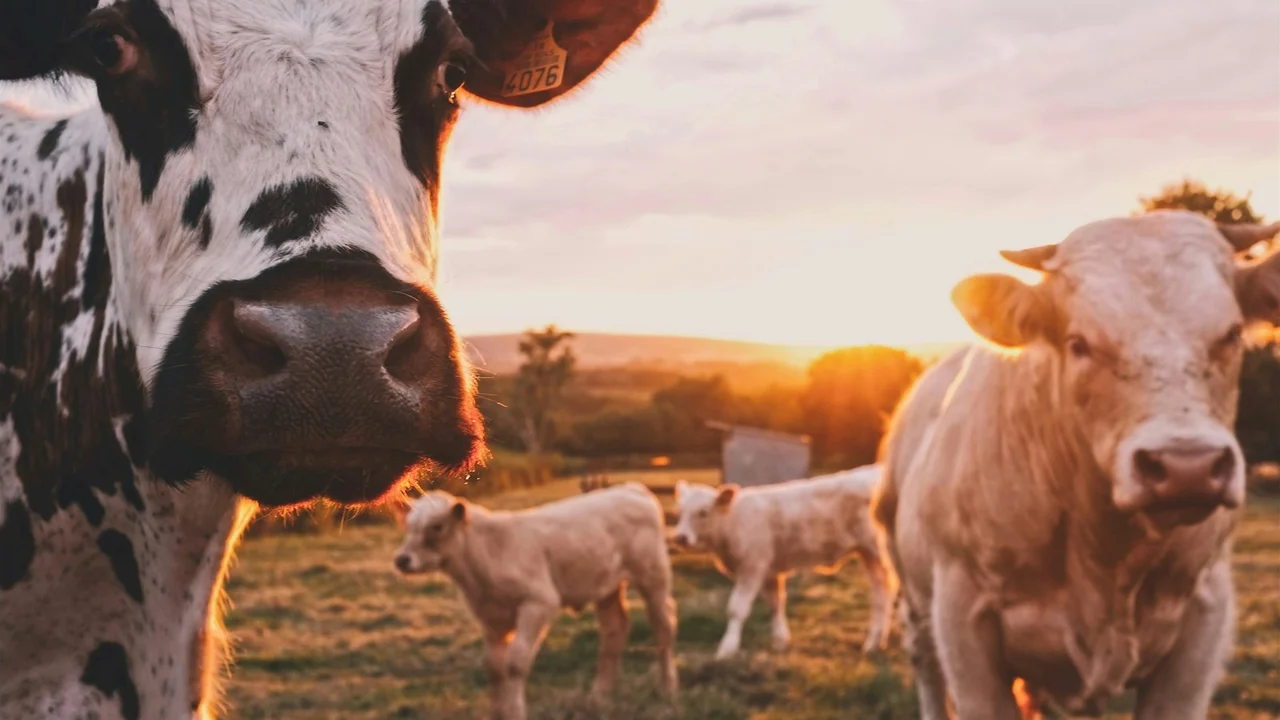
Summer heat stress in Pakistan disrupts acid-base equilibrium, depresses feed intake, and compromises animal productivity across livestock and poultry sectors.
Estimated reading time: 11 min read
Pakistan experiences some of the highest ambient summer temperatures in the world. From May through August, temperatures across Punjab, Sindh, and Khyber Pakhtunkhwa regularly exceed 42°C (108°F), frequently peaking above 48°C (118°F) in districts like Sahiwal, Rahim Yar Khan, and Larkana. When combined with monsoon humidity from July onward, the resulting thermal load creates acute, life-threatening physiological crises across poultry and livestock systems.
Thermal stress is not merely an issue of animal discomfort; it fundamentally disrupts metabolic homeostasis. In commercial broilers and layers, it causes catastrophic spikes in mortality, poor feed conversion, and thin eggshells. In dairy cattle and buffaloes, it causes steep drops in milk synthesis (often 20% to 35%), suppressed estrus expression, and embryonic death. Successfully managing heat stress requires a synchronized veterinary approach: understanding thermal physiology, optimizing barn ventilation, and deploying targeted nutritional and electrolyte therapeutics.
Avian Heat Stress Physiology: Panting and Respiratory Alkalosis
Broiler chickens and laying hens are poorly equipped for extreme thermal environments. Being homeothermic, their ideal thermoneutral zone lies between 18°C and 24°C. They possess no sweat glands and are insulated by dense feather coats. When ambient temperatures rise above 30°C, sensible heat loss (radiation, conduction, and convection) ceases, leaving evaporative cooling through the respiratory tract as the bird’s sole cooling mechanism.
- Depletion of Carbon Dioxide: Rapid shallow breathing blows off large quantities of carbon dioxide (CO₂) from the blood.
- Respiratory Alkalosis: Loss of carbonic acid elevates plasma pH (often above 7.50). In response, the avian kidneys attempt to normalize pH by dumping blood bicarbonate (HCO₃⁻), potassium (K⁺), and sodium (Na⁺) into urine.
- Defective Eggshell Calcification: In commercial layers, bicarbonate depletion starves the shell gland of carbonate ions, producing weak, thin-shelled, or cracked eggs.
- Immune Suppression: Elevated corticosteroid and corticosterone levels shrink the bursa of Fabricius, thymus, and spleen, reducing vaccine responses and increasing vulnerability to opportunistic colibacillosis.
Dairy Ruminant Heat Stress: The Temperature-Humidity Index (THI)
In dairy cows and dairy buffaloes, the Temperature-Humidity Index (THI) is the primary diagnostic indicator for thermal challenge. High-producing lactating cows generate immense metabolic heat from rumen fermentation (heat increment of feeding) and milk synthesis.
- Dry matter intake (DMI) drops by 10% to 25% as the animal actively avoids the metabolic heat of digestion.
- Panting rates rise, and cows spend more time standing in an attempt to dissipate body heat, increasing lameness, digital dermatitis, and solar ulcers.
- Rumen motility slows down, and reduced saliva production (due to drooling and panting) lowers rumen buffering, triggering Subacute Ruminal Acidosis (SARA).
- Estrus intensity declines sharply; silent heats become widespread, and conception rates drop from 40% down to under 15% due to early embryonic thermal death.
For comprehensive dairy herd health strategies, cross-reference our guide on dairy mastitis prevention and herd health management.
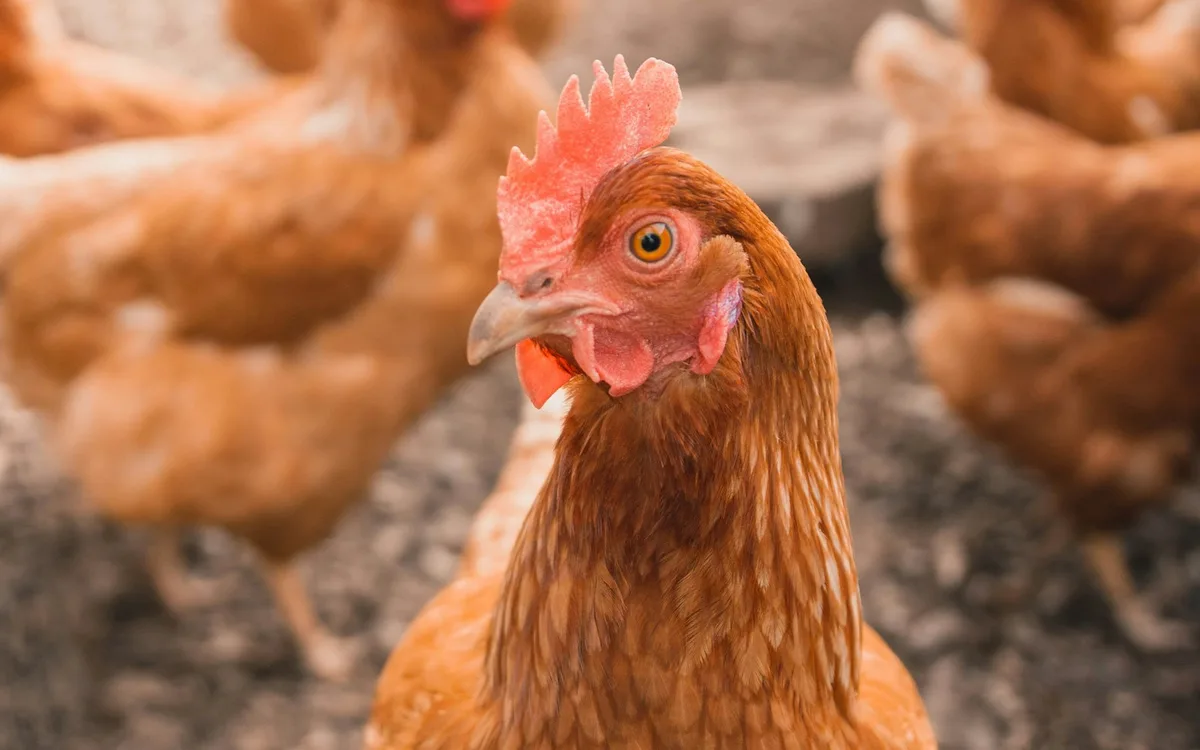
Nutritional and Therapeutic Electrolyte Protocols
- Balanced Electrolyte Therapy: Administer water-soluble electrolyte solutions containing sodium bicarbonate (NaHCO₃), potassium chloride (KCl), and sodium chloride. Bicarbonate restores blood pH and supplies carbonate for shell formation, while potassium replaces urinary losses and drives cellular water retention.
- Antioxidant and Vitamin Support: Heat stress generates massive intracellular reactive oxygen species (ROS), causing oxidative membrane lysis. Supplementing Vitamin C (ascorbic acid at 100–200 g/1000L) and Vitamin E with Selenium protects cell integrity, supports neutrophil phagocytic activity, and dampens systemic cortisol release.
- Dietary Energy Density Adjustments: Because dry matter intake plummets, diets must be concentrated without increasing fermentation heat. Replace high-fiber components with bypass fats or vegetable oils, which have a significantly lower heat increment of digestion than carbohydrates and fiber.
- Betaine and Osmolyte Supplementation: Natural betaine acts as an intracellular osmoprotectant, maintaining cellular water volume and gut mucosal integrity without requiring high cellular ATP expenditure.
Housing Engineering: Tunnel Ventilation, Evaporative Pads, and Misting
- Tunnel Ventilation in Poultry Sheds: Exhaust fans must generate an air velocity of 2.5 to 3.0 meters per second through the entire length of the shed. This air speed creates a convective wind-chill effect that lowers the bird’s effective felt temperature by 5°C to 7°C.
- Cellulose Evaporative Cooling Pads: Air passing through water-soaked corrugated cellulose pads cools by evaporative heat loss. Pads must be cleaned regularly to prevent algae and mineral scale buildup that restricts airflow.
- Dairy Cow Soaking and Fans: In dairy barns, fogging without adequate airflow can dangerously spike relative humidity. The gold standard is Intermittent Low-Pressure Soaking paired with Continuous High-Volume Fans placed over feed lines and resting stalls. Sprinklers soak the cow’s hide to the skin, followed by fan airflow that evaporates the water directly off the body, maximizing cooling efficiency.
Key Takeaways for Livestock and Poultry Producers
- Address Respiratory Alkalosis Early: Supply sodium bicarbonate and potassium electrolytes in poultry water to re-balance blood pH and stop shell thinning.
- Shift Feeding to Night Hours: Deliver 65% of daily feed rations during cooler evening hours to avoid peak daytime digestion heat spikes.
- Continuous Cool Drinking Water: Insulate overhead water pipes; water above 30°C suppresses consumption, directly inhibiting panting evaporative cooling.
- Soak and Blow for Dairy: Pair direct overhead water soaking with high-velocity fan airflow over dairy stalls to maintain rumination and milk production.
- Antioxidant Cushioning: Add Vitamin C, Vitamin E, and organic zinc to counter cellular oxidative stress and immune suppression during summer heatwaves.
References and Authoritative Standards
- Journal of Thermal Biology — Avian acid-base equilibrium and respiratory evaporative dynamics under tropical heat stress.
- FAO: Livestock and Climate Change Technical Reports — Heat stress mitigation strategies for smallholder and commercial ruminants.
- University of Veterinary and Animal Sciences (UVAS) — Summer THI profiling and milk depression in Pakistani dairy buffalo herds.
- WOAH Animal Welfare Guidelines — Thermal comfort standards and ventilation requirements for intensive poultry and livestock housing.
Frequently Asked Questions
Prix Knowledge Centre
Stay informed on animal health insights
Receive updates on veterinary pharmaceuticals, poultry and livestock healthcare, and company news from Prix Pharmaceutica.
Explore our veterinary solutions
Browse veterinary pharmaceuticals and nutritional products for livestock, poultry, equine and companion animals, with technical support available on request.
Related articles
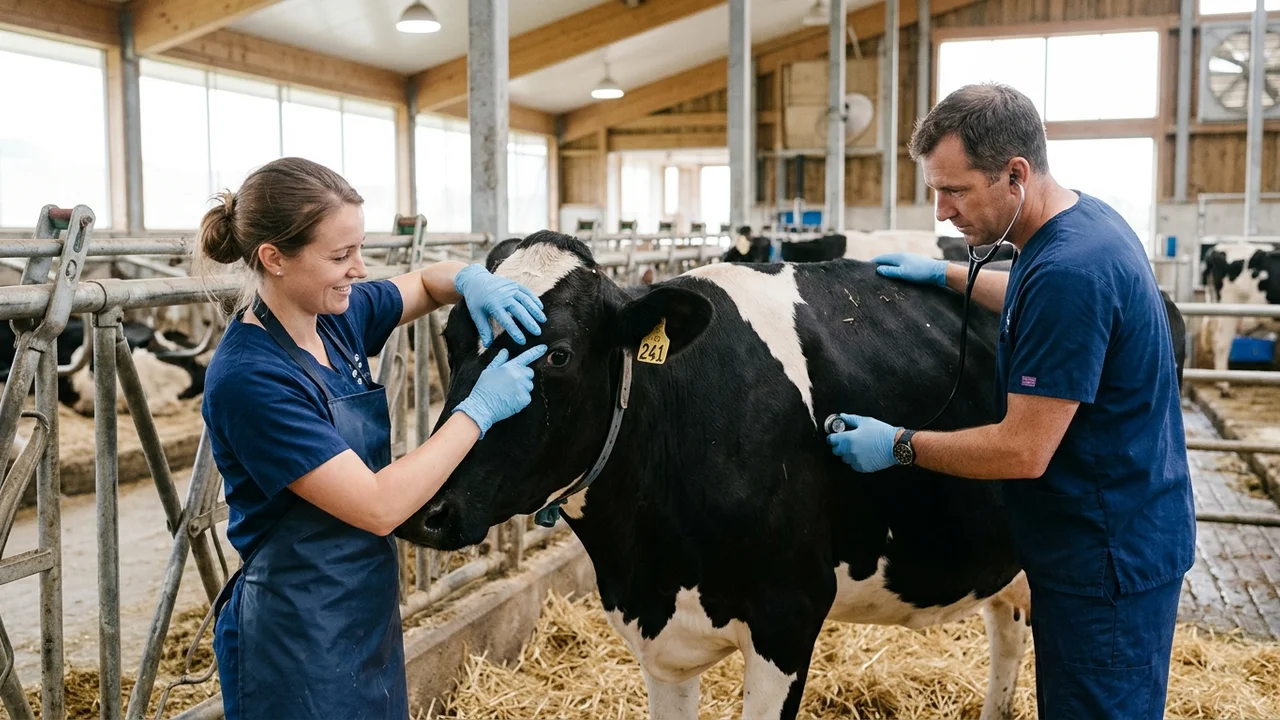
Antimicrobial Stewardship in Livestock: Responsible Antibiotic Use, AMR Risks, and Herd Health in Pakistan
An essential guide for Pakistani veterinarians and livestock producers on antimicrobial stewardship: prudent antibiotic selection, selective dry-cow protocols, AMR mitigation, and preventative herd biosecurity.
Read article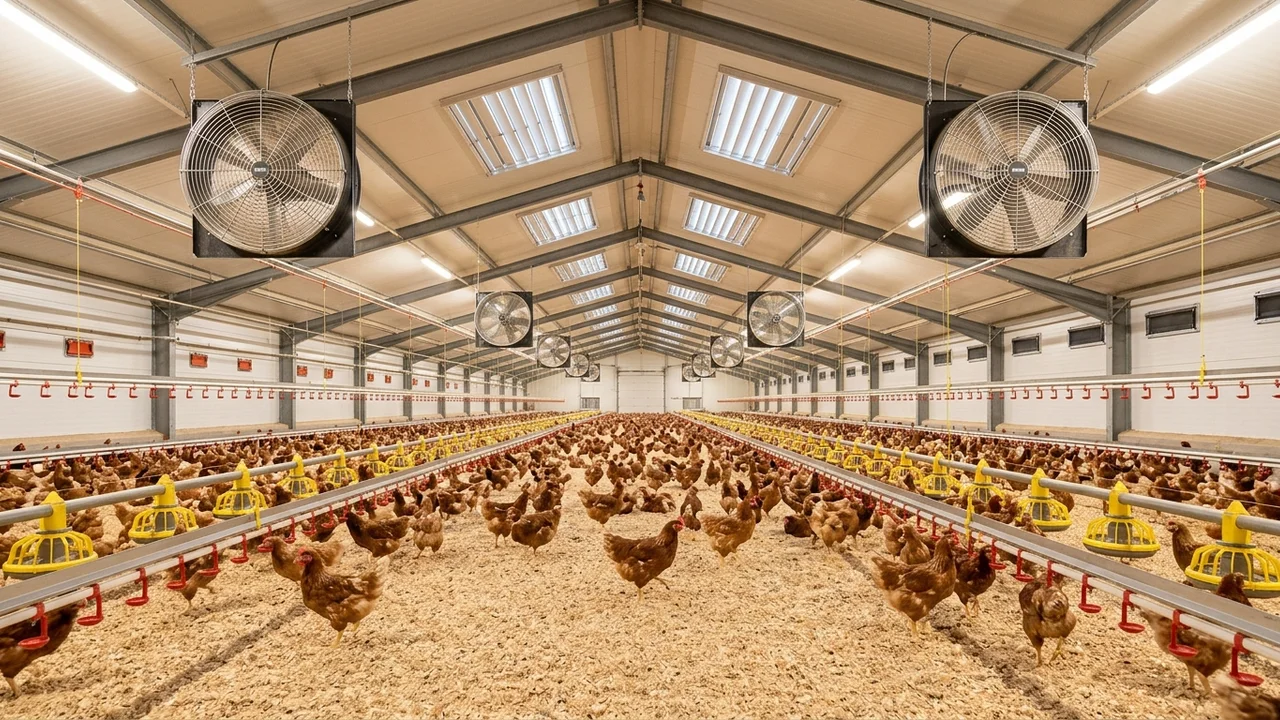
Poultry Respiratory Disease Prevention and Farm Biosecurity in Pakistan: Clinical Insights for Commercial Broilers and Layers
A practical veterinary guide for commercial poultry farmers in Pakistan: preventing Chronic Respiratory Disease (CRD), managing winter ammonia toxicity, optimizing minimum ventilation, and building biosecurity perimeters.
Read article
Dairy Herd Health and Mastitis Prevention in Pakistan: Clinical Protocols, Teat Disinfection, and Somatic Cell Control
An essential clinical guide for Pakistani dairy farmers and veterinarians on preventing bovine and buffalo mastitis: teat dipping protocols, CMT screening, selective dry-cow management, and parlor hygiene.
Read article