
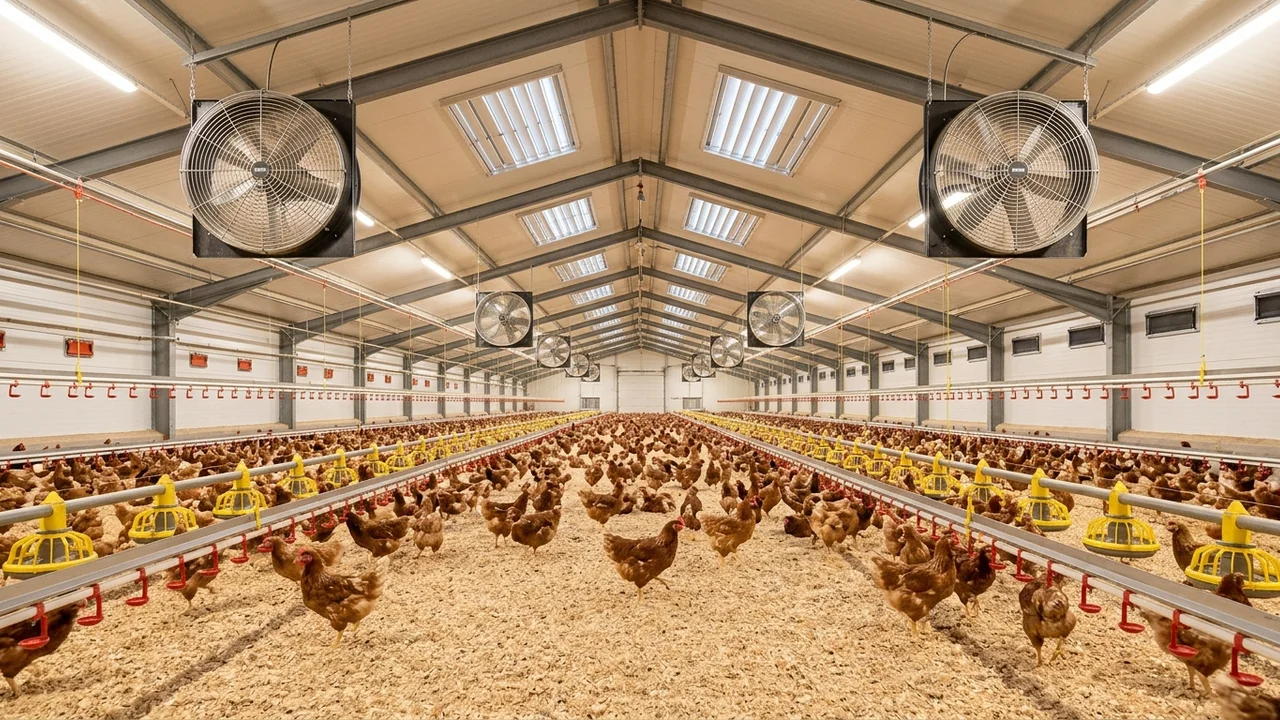
Comprehensive biosecurity, air-quality regulation, and targeted vaccination shield commercial poultry flocks from devastating respiratory outbreaks.
Estimated reading time: 11 min read
Respiratory disease complexes represent the single largest cause of economic mortality, feed conversion inefficiency, and carcass condemnations in Pakistan’s commercial poultry industry. The avian respiratory tract possesses a unique anatomical architecture: non-expanding lungs paired with extensive, thin-walled, poorly vascularized air sacs extending deep into skeletal pneumatic bones. While this structure enables extraordinary metabolic oxygen transfer, it renders commercial broilers and layers exceptionally vulnerable to inhaled pathogens and airborne irritants.
In commercial hubs across Punjab, Sindh, and Khyber Pakhtunkhwa, respiratory disease rarely presents as an isolated, single-pathogen event. Instead, flocks suffer from multifactorial respiratory disease complexes (RDC)—dynamic interactions between primary viral agents, secondary bacterial invaders, volatile ammonia gas, and micro-climatic ventilation failures. This guide delivers a structured, veterinary-validated framework for breaking this cycle through environmental optimization, targeted biosecurity, and evidence-based clinical management.
Etiological Agents: Primary Pathogens and Secondary Complications
- Viral Initiators: Infectious Bronchitis Virus (IBV), Newcastle Disease Virus (NDV), and low-pathogenicity Avian Influenza (LPAI) replicate rapidly within respiratory epithelial cells. The resulting epithelial desquamation and mucosal denudation completely incapacitate primary mechanical defenses.
- Bacterial Pioneers: Mycoplasma gallisepticum (MG) and Mycoplasma synoviae (MS) attach directly to tracheal cilia via specialized adhesins, inducing chronic mucosal inflammation and mucous hypersecretion. Flocks infected with Mycoplasma exhibit prolonged coughing, sneezing, facial swelling, and characteristic rales.
- Secondary Colisepticemia: Avian Pathogenic Escherichia coli (APEC)—normally kept in check by intact mucosal barriers—rapidly invades damaged tracheal membranes and air sacs. Once bloodstream colonization occurs, the clinical picture deteriorates into fibrinous airsacculitis, perihepatitis, and pericarditis, driving peak flock mortality.
For diagnostic differentiation against other systemic flock ailments, explore our foundational overview on common poultry diseases in Pakistan.
The Environmental Catalyst: Ammonia Toxicity and Winter Ventilation Failures
- Ammonia Paralyzation: Uric acid breakdown in damp litter raises ambient ammonia (NH₃) levels above 25–40 ppm. At these concentrations, tracheal ciliary beating slows and eventually arrests (ciliostasis), trapping bacteria and dust inside the lower respiratory tract.
- Excess Relative Humidity: High humidity (>70%) prevents litter drying, while very low humidity (<40%) dries out mucus membranes, generating abrasive suspended dust that physically scratches bronchial lining.
- Carbon Dioxide & Moisture Accumulation: Inadequate air exchange elevates CO₂ and humidity, placing severe cardiovascular load on fast-growing broilers and precipitating ascites (water-belly) alongside respiratory stress.
The solution requires strict adherence to Minimum Ventilation Standards. Minimum ventilation must run on cycle timers independent of thermostats, ensuring an exchange of moisture, carbon dioxide, and ammonia while utilizing high-velocity ceiling inlets that temper incoming cold air before it touches the birds.
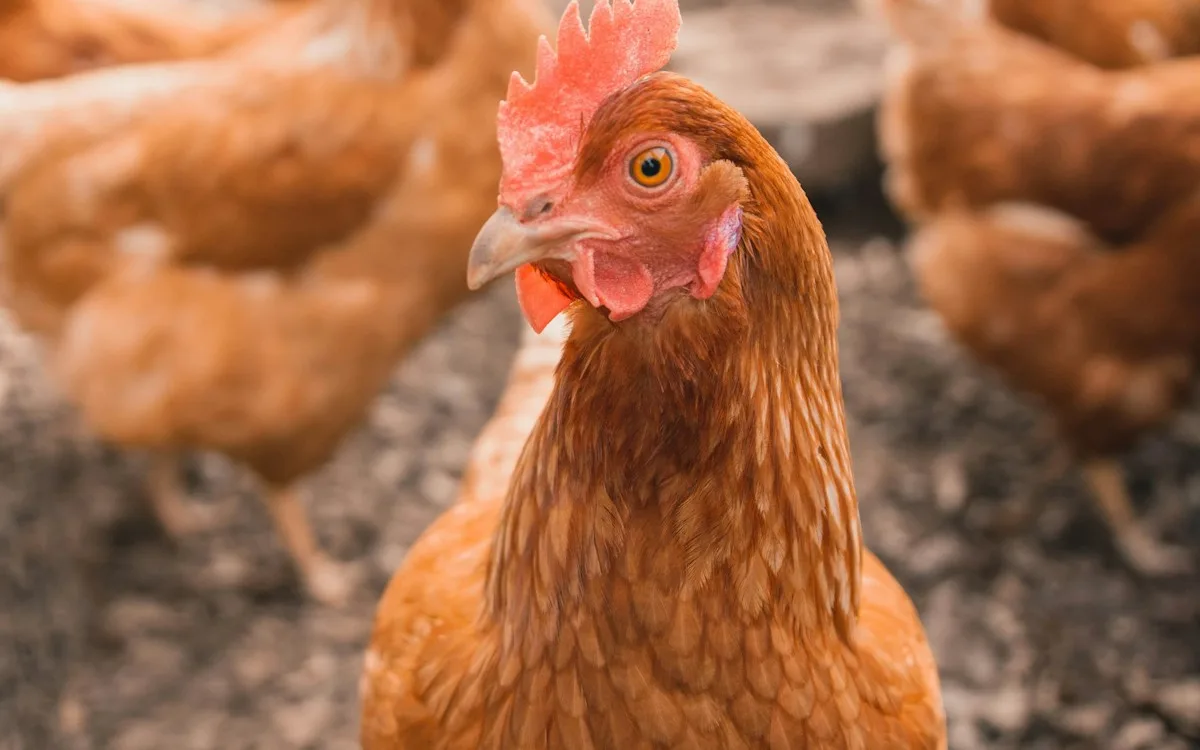
Farm Biosecurity: The First and Most Cost-Effective Line of Defense
- Perimeter and Vehicle Sanitization: Fully operational vehicle spray-arches or manual power-wash stations applying validated broad-spectrum disinfectants to all feed trucks, egg crates, and service vehicles before farm-gate entry.
- Zoned Footwear and Footbaths: Disinfectant footbaths become ineffective when loaded with organic matter. Strict "Danish entry" systems—featuring physical step-over barriers separating clean and dirty zones, with shed-dedicated boots—eliminate footwear-mediated transfer.
- Wild-Bird and Rodent Exclusions: Wild pigeons, crows, and sparrows carry Avian Influenza, Newcastle Disease, and Mycoplasma strains. All air inlets and eaves must be sealed with durable wire netting (<2 cm mesh).
- All-In / All-Out Strict Down-Time: Mixing age groups on a single site guarantees cyclical pathogen recycling. Implementing a strict single-age all-in/all-out cycle, followed by complete litter clearing, flame disinfection, washing, chemical fogging, and a minimum 14-day vacancy interval, breaks biological disease transmission.
Clinical Diagnostics and Responsible Medical Intervention
When a respiratory outbreak manifests, immediate post-mortem necropsy by a qualified veterinary surgeon is essential. Examining the bifurcation of the trachea, air sac clarity, and internal organ membranes reveals whether the primary pathology is tracheitis (indicative of IB or ND), caseous plug formation (indicative of Infectious Laryngotracheitis), or diffuse airsacculitis.
Where secondary bacterial involvement is confirmed, antimicrobial therapy should follow professional veterinary diagnosis and approved product information. Under-dosing or utilizing unauthorized off-label tank mixes accelerates antimicrobial resistance. Concurrently, supportive therapeutics—such as electrolyte balancing complexes, respiratory essential-oil evaporants, and non-steroidal antipyretics—alleviate clinical distress and encourage feed and water intake.
Review our educational guides on responsible antibiotic stewardship in poultry and the Prix poultry healthcare portfolio for compliant product documentation.
Key Takeaways for Poultry Farm Managers
- Environment Dictates Immunity: Maintain ammonia below 20 ppm and relative humidity between 50% and 65% through continuous timer-controlled minimum ventilation.
- Multi-Factorial Complexity: Respiratory outbreaks result from synergistic viral-bacterial-environmental stress; treating with antibiotics without addressing ventilation or litter condition will fail.
- Biosecurity is Absolute: Physical perimeter exclusion, clean footwear, vehicle disinfection, and wild-bird proofing deliver the highest return on investment in commercial farming.
- Vaccination Precision: Coordinate regional immunization schedules for ND, IB, and H9 under veterinary consultation, verifying cold-chain handling and spray droplet sizes during application.
References and Scientific Literature
- WOAH Terrestrial Manual: Avian Diseases and Biosecurity Standards.
- FAO Poultry Production and Animal Health: Biosecurity Manual for Commercial Poultry.
- Poultry Science Journal — Dynamics of Mycoplasma gallisepticum and secondary colibacillosis under ambient ammonia stress.
- University of Veterinary and Animal Sciences (UVAS) Lahore — Avian respiratory epidemiology and seasonal disease prevalence reports.
Frequently Asked Questions
Prix Knowledge Centre
Stay informed on animal health insights
Receive updates on veterinary pharmaceuticals, poultry and livestock healthcare, and company news from Prix Pharmaceutica.
Explore our veterinary solutions
Browse veterinary pharmaceuticals and nutritional products for livestock, poultry, equine and companion animals, with technical support available on request.
Related articles

Responsible Antibiotic Use in Poultry: Veterinary Guidance and Antimicrobial Stewardship
A stewardship guide to responsible antibiotic use in poultry: diagnosis first, antimicrobial resistance, withdrawal principles, biosecurity and professional veterinary guidance.
Read article
Common Poultry Diseases in Pakistan: Signs, Prevention and Veterinary Diagnosis
An educational guide to common poultry diseases in Pakistan, covering warning signs, biosecurity, prevention and why veterinary diagnosis matters.
Read article
Poultry Medicine in Pakistan: A Practical Guide to Poultry Health Products
A practical guide to poultry medicine in Pakistan covering product categories, veterinary diagnosis, responsible antimicrobial use, biosecurity, storage and supplier evaluation.
Read article