
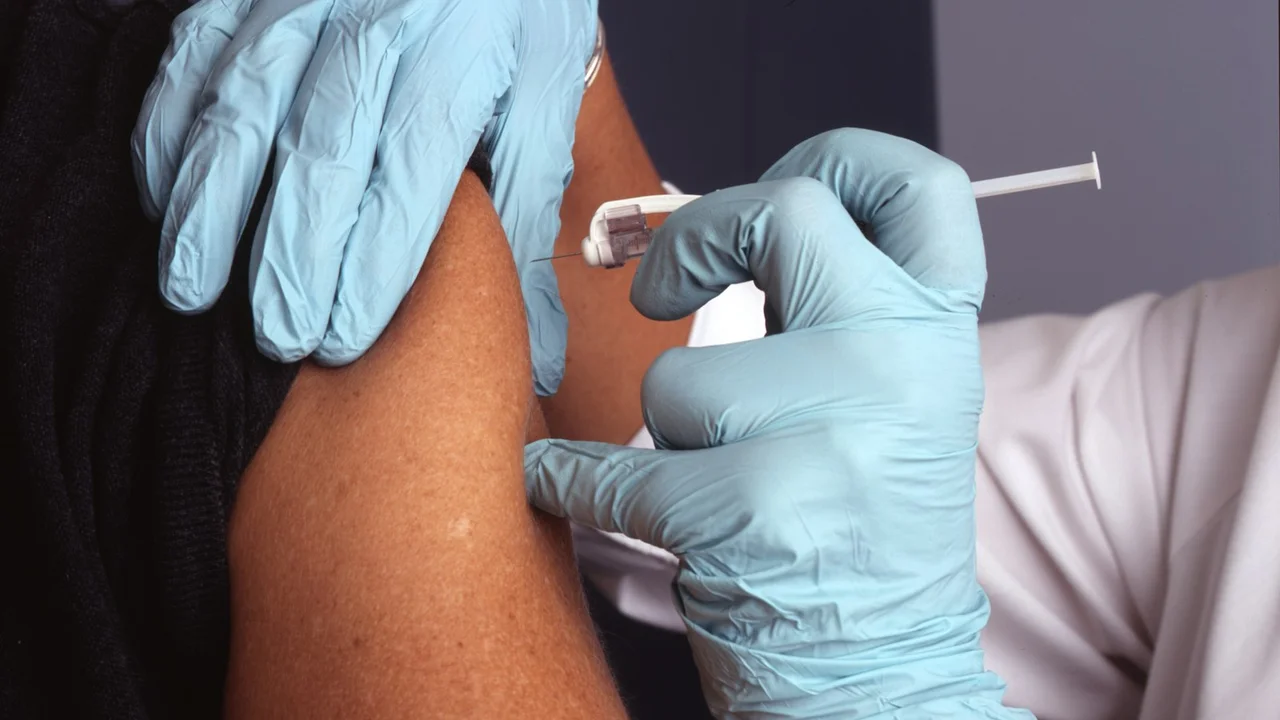
Strategic immunization schedules and rigorous biological cold-chain maintenance form the frontline defense against endemic livestock and poultry epidemics in Pakistan.
Estimated reading time: 11 min read
Immunization is the cornerstone of preventative veterinary medicine. Across Pakistan’s dynamic livestock and poultry landscape, infectious diseases such as Foot-and-Mouth Disease (FMD), Hemorrhagic Septicemia (HS), Newcastle Disease (ND), and Infectious Bursal Disease (Gumboro) continually threaten commercial enterprises and smallholder rural wealth. While therapeutic antimicrobials and supportive pharmaceuticals play critical roles in clinical recovery, only vaccination can establish proactive, herd-wide immunity that stops catastrophic outbreaks before they initiate.
However, administering a vaccine is not synonymous with achieving immunization. True protection depends on a carefully constructed vaccination calendar, proper understanding of maternal antibody interference, disciplined administration techniques, and unbroken biological cold chains. This guide provides veterinary practitioners and farm managers with an authoritative framework for designing, executing, and evaluating disease prevention programs tailored to Pakistan’s endemic disease landscape.
Immunological Principles: Live Attenuated vs. Inactivated Vaccines
- Live Attenuated Vaccines: These vaccines contain viable pathogens that have been modified to eliminate clinical virulence while retaining the ability to replicate within the host. Upon administration (frequently via ocular drops, coarse spray, or drinking water in poultry), the organism infects mucosal epithelial surfaces, generating rapid Local Secretory IgA antibodies alongside strong cytotoxic T-cell cell-mediated immunity. They are ideal for primary priming in high-challenge environments but are vulnerable to ambient heat, chemical disinfectants, and circulating maternal antibodies.
- Inactivated (Killed) Adjuvanted Vaccines: These formulations contain chemically inactivated whole organisms or toxoids paired with an immunological adjuvant (such as mineral oil emulsions or aluminum hydroxide gel). The adjuvant forms a depot at the injection site, slowly releasing antigen over weeks to stimulate high, uniform, and durable circulating IgG titers. Inactivated vaccines are safe and cannot revert to virulence, making them the standard choice for booster doses, layer/breeder long-term protection, and ruminant systemic protection against HS and FMD.
The Maternal Antibody Dilemma: Navigating the Immunity Gap
One of the primary causes of early vaccine failure is the presence of high Maternally Derived Antibodies (MDAs). In calves and lambs, maternal antibodies are absorbed entirely through colostrum within the first 12 to 24 hours of life. In chicks, maternal IgG is deposited into the egg yolk, sustaining the chick through the first two weeks post-hatch.
While MDAs protect neonates from lethal field challenges, they also neutralize vaccine antigens before the young animal’s naive immune cells can detect them. Conversely, waiting too long creates an "immunity window" or "susceptibility gap," where MDAs have declined below protective thresholds, but active vaccination has not yet taken place. Determining vaccination schedules must balance regional disease pressure with known maternal antibody decay curves, using diagnostic tools like ELISA serology or the Deventer formula for Gumboro vaccination in broilers.

Core Livestock Vaccination Protocols in Pakistan
- Hemorrhagic Septicemia (HS): Caused by Pasteurella multocida (serotype B:2). HS is acutely fatal and peaks during the hot, humid pre-monsoon and monsoon months (May–July) and winter transition periods. Herds must receive oil-adjuvanted HS vaccination at least 4 to 6 weeks before monsoon rains begin, followed by annual boosters.
- Foot-and-Mouth Disease (FMD): Caused by Aphthovirus (predominantly serotypes O, A, and Asia-1 in Pakistan). FMD causes severe vesicular lesions, drop in milk yield, and high mortality in young calves. Effective control requires trivalent inactivated vaccines administered bi-annually (spring and autumn).
- Blackquarter (BQ): Caused by soil-borne Clostridium chauvoei. Primarily affects young, rapidly growing cattle and sheep (6 months to 2 years). Routine pre-monsoon vaccination in known endemic pasture zones prevents acute necrotizing myositis.
- Enterotoxemia (Pulpy Kidney): Caused by Clostridium perfringens type D. Essential for small ruminants, particularly prior to seasonal feed changes, lush pasture grazing, or grain feeding.
For comprehensive guidance on integrating parasite control alongside vaccination, review our published guide on livestock deworming in Pakistan.
Diagnosing Vaccine Failures: Avoiding Costly On-Farm Errors
- Cold Chain Compromise: Biologicals must remain strictly between 2°C and 8°C from manufacture to administration. Freezing live viral vaccines or allowing them to warm above 8°C during transit in uninsulated iceboxes rapidly destroys viable titers.
- Water Sanitizer Inactivation: In poultry drinking-water vaccination, failing to neutralize municipal chlorine or water sanitizers (such as hydrogen peroxide or chlorine dioxide) immediately kills live viral particles. Skimmed milk powder (2.5 g/L) or specialized blue-dye stabilizers must be mixed 20 minutes prior to vaccine addition.
- Immunosuppression and Stress: Animals experiencing clinical mycotoxicosis (aflatoxins, ochratoxins), severe coccidiosis, high worm burdens, or acute heat stress cannot produce adequate antibodies. Immunomodulatory support—such as Vitamin E, Selenium, and high-purity Vitamin C—should accompany stressful periods.
- Vaccinating Sick Animals: Vaccines are prophylactic, not therapeutic. Administering vaccines to animals already incubating a field infection triggers rapid clinical collapse.
For parallel cold-chain storage and technical facility standards, see our companion article on veterinary cold chain and medicine storage quality.
Key Takeaways for Herd and Flock Managers
- Timing Dictates Protection: Schedule pre-monsoon livestock vaccinations for HS and BQ at least 30 days before seasonal rains begin to ensure peak antibody titers.
- Protect the Cold Chain: Maintain 2°C–8°C storage continuously; monitor refrigerators with digital maximum-minimum loggers to prevent heat inactivation or accidental freezing.
- Neutralize Water Sanitizers: In poultry drinking water vaccines, ensure complete chlorine neutralization before introducing live vaccine vials.
- Never Vaccinate Stressed Flocks: Deworm livestock, eliminate feed mycotoxins, and stabilize thermal conditions before initiating vaccination programs.
- Record Every Batch: Log manufacturer, batch number, expiry date, administration route, and technician identity for complete herd traceability.
References and Authoritative Standards
- WOAH Manual of Diagnostic Tests and Vaccines for Terrestrial Animals — Standards for biological production, safety, and potency.
- FAO: Progressive Control Pathway for Foot-and-Mouth Disease (PCP-FMD) — Regional vaccine matching and surveillance frameworks.
- University of Veterinary and Animal Sciences (UVAS) Lahore — Epidemiology of Hemorrhagic Septicemia and seasonal vaccination efficacy trials in Punjab.
- Drug Regulatory Authority of Pakistan (DRAP) — Biological evaluation, cold-chain transport guidelines, and batch registration rules.
Frequently Asked Questions
Prix Knowledge Centre
Stay informed on animal health insights
Receive updates on veterinary pharmaceuticals, poultry and livestock healthcare, and company news from Prix Pharmaceutica.
Explore our veterinary solutions
Browse veterinary pharmaceuticals and nutritional products for livestock, poultry, equine and companion animals, with technical support available on request.
Related articles
Antimicrobial Stewardship in Livestock: Responsible Antibiotic Use, AMR Risks, and Herd Health in Pakistan
An essential guide for Pakistani veterinarians and livestock producers on antimicrobial stewardship: prudent antibiotic selection, selective dry-cow protocols, AMR mitigation, and preventative herd biosecurity.
Read article
Poultry Respiratory Disease Prevention and Farm Biosecurity in Pakistan: Clinical Insights for Commercial Broilers and Layers
A practical veterinary guide for commercial poultry farmers in Pakistan: preventing Chronic Respiratory Disease (CRD), managing winter ammonia toxicity, optimizing minimum ventilation, and building biosecurity perimeters.
Read article
Dairy Herd Health and Mastitis Prevention in Pakistan: Clinical Protocols, Teat Disinfection, and Somatic Cell Control
An essential clinical guide for Pakistani dairy farmers and veterinarians on preventing bovine and buffalo mastitis: teat dipping protocols, CMT screening, selective dry-cow management, and parlor hygiene.
Read article