

Veterinary pharmaceutical manufacturing depends on controlled facilities, documented processes and consistent quality systems.
Estimated reading time: 9 min read
Veterinary pharmaceutical companies in Pakistan sit at the intersection of animal health, food production and public trust. Farmers, veterinarians and distributors rely on medicines that are manufactured under controlled conditions, registered for veterinary use and supported by clear documentation.
This article explains how the veterinary pharmaceutical industry in Pakistan supports livestock and poultry health, why manufacturing quality and registration matter, and how professional buyers can evaluate an animal health partner. It also outlines where Prix Pharmaceutica fits within that landscape.
The Role of Veterinary Pharmaceutical Companies in Pakistan
A veterinary pharmaceutical company supplies medicines and related animal-health products for professional use. In Pakistan, demand is shaped by intensive poultry production, livestock systems, equine care and, where relevant, companion-animal practice.
Reliable veterinary medicine companies help close the gap between diagnosis and treatment. They manufacture or supply products, maintain batch documentation, support distribution partners and provide technical information that veterinarians and farms can review before use.
The sector also supports national food systems. Healthy flocks and herds reduce production losses and contribute to safer, more predictable supply chains. That outcome depends on more than a brand name. It depends on formulation discipline, manufacturing controls and responsible use.
Why Veterinary Medicine Quality Matters
Quality in veterinary pharmaceuticals is practical, not abstract. Inconsistent potency, unstable formulations or incomplete labelling can undermine treatment plans and waste resources on farm.
For livestock medicines and poultry medicine programmes, quality affects day-to-day decisions: which product to stock, how to store it, and whether documentation supports professional use. For equine and companion animals, the same principles apply, with species-specific product selection remaining essential.
Quality also protects trust between manufacturers, distributors and veterinarians. When a company can explain how a product was made, tested and released, buyers have a clearer basis for partnership.
How Veterinary Medicines Are Manufactured
Veterinary medicine manufacturing converts approved formulations into finished dosage forms under defined process controls. Typical steps include raw-material verification, compounding or blending, filling or compression, packaging, labelling and batch release based on documented checks.

Different dosage forms require different equipment and environmental controls. Oral powders, liquids, injectables and boluses each carry distinct handling, packaging and stability considerations. Manufacturing sites must keep those processes separated where required and documented throughout.
Prix describes its broader manufacturing and quality approach on the Science & Quality page, including process discipline and documentation practices used across the portfolio.
Good Manufacturing Practices in Pakistan
In Pakistan, the Drug Regulatory Authority of Pakistan (DRAP) is the primary national authority for therapeutic goods regulation. DRAP publishes Good Manufacturing Practices guidance for pharmaceutical and biological drug manufacturing.
According to DRAP GMP guidance, manufacturing controls cover operations such as processing, compounding, formulation, filling, packing, labelling and related activities. The purpose is consistent product quality supported by controlled facilities, trained personnel, validated processes where applicable, and complete records.
For buyers evaluating animal health companies in Pakistan, GMP discipline is a useful lens. Ask how deviations are handled, how batch records are retained, and how packaging and labelling controls are maintained. Strong answers usually point to an organised quality system rather than marketing language.
Veterinary Drug Registration and Regulatory Oversight
Veterinary medicines are not interchangeable with unregistered preparations. DRAP maintains a registration pathway specifically for pharmaceutical drugs for veterinary use, summarised in its veterinary pharmaceutical registration process flowchart.
Registration is product-specific. A company portfolio may include many SKUs, but each registered product carries its own dossier, labelling and approved information. Farms and distributors should confirm registration and approved product literature for the exact presentation they intend to supply or use.
Regulatory oversight also continues after registration through manufacturing expectations, labelling requirements and pharmacovigilance responsibilities. Professional users should report suspected adverse events through the appropriate channels and retain batch details whenever possible.
Veterinary Medicines for Livestock and Poultry
Pakistan’s animal-health market is strongly influenced by poultry and livestock production. Veterinary pharmaceutical companies therefore often emphasise products used in flock health programmes, ruminant care and related farm protocols.
Poultry medicine selection typically considers flock age, production system and veterinary diagnosis. Livestock medicines may support cattle, buffalo, sheep, goats and other production animals depending on the product and approved use. Equine and companion-animal products serve different clinical contexts and should be evaluated separately.
Browse Prix category pages for poultry, livestock, equine and pets to see how the catalogue is organised by animal group. Product pages summarise composition and professional information without replacing veterinary advice.
Understanding Veterinary Dosage Forms
Dosage form is part of product selection, not a secondary detail. Common veterinary forms include oral powders, oral liquids, boluses, injectables and specialty presentations. Each form has implications for administration method, storage and on-farm handling.
Product selection should follow veterinary requirements and approved labelling. A form that is convenient for one production system may be unsuitable for another. Comparing products only by active ingredient without reviewing strength, form and approved information can lead to incorrect use.
What Veterinarians and Distributors Should Look for in a Pharmaceutical Partner
Price alone is a weak filter. Professional buyers usually examine a combination of manufacturing discipline, documentation, supply reliability and technical communication.
Practical evaluation questions include:
- Is the product registered for the intended veterinary use in the relevant market?
- Are batch records, certificates of analysis or equivalent documentation available on request?
- Are packaging, labelling and storage instructions clear?
- Can the supplier explain manufacturing and quality practices without vague claims?
- Is technical support available when veterinarians or farms need clarification?
- Is supply consistent enough for seasonal and programme-based demand?
Distributors should also review logistics: cold-chain needs where applicable, shelf-life management, and how returns or quality complaints are handled. A durable partnership is built on process, not slogans.
Quality Beyond Manufacturing: Storage and Distribution
Manufacturing quality can be undermined after release if storage and distribution are weak. Temperature, humidity, light exposure and handling during transport all affect finished-product integrity.
Wholesalers, pharmacies and farms should follow labelled storage conditions, rotate stock, and keep products in original packaging until use. Traceability improves when batch numbers remain linked to purchase and dispensing records.
For documentation requests and professional literature, Prix provides a central resources page covering catalogues and materials available for veterinary and commercial use.
Responsible Medicine Use and Veterinary Oversight
Veterinary medicines should be used under professional guidance. Diagnosis, product choice, administration method and treatment monitoring belong with veterinarians and trained animal-health professionals.
Responsible use also means reading approved product information, observing labelled precautions, and avoiding informal substitution between products or species. Antimicrobial and antiparasitic stewardship remains a shared responsibility across manufacturers, veterinarians and farms.
Prix Pharmaceutica and Animal Health
Prix Pharmaceutica (Pvt.) Ltd. is a veterinary pharmaceutical manufacturer based in Lahore, Pakistan. The company supplies animal-health products across poultry, livestock, equine and companion-animal categories through its published catalogue.
The portfolio is organised for professional users who need clear product information and category navigation. Explore the full veterinary product catalogue or start from animal-category pages when searching by species.
Prix frames quality around documented manufacturing practices, product-specific registration considerations and materials available on request. For a structured overview of science, manufacturing context and quality systems, see Science & Quality.
Explore Veterinary Products by Animal Category
If you are comparing animal health products in Pakistan by species group, these category pages are practical starting points:
For company background and manufacturing context, visit the company profile. For catalogues and requestable documentation, use Resources.
Veterinary medicines should be selected and used according to approved product information and professional veterinary guidance. Product availability, registration and approved indications may vary by market.
References / Sources
- Drug Regulatory Authority of Pakistan (DRAP) - official regulatory authority website.
- DRAP Good Manufacturing Practices Guidelines (GMP-08, February 2023) - manufacturing controls guidance for pharmaceutical/biological drug manufacturing.
- DRAP veterinary pharmaceutical registration process flowchart - registration pathway overview for pharmaceutical drugs for veterinary use.
Frequently Asked Questions
Prix Knowledge Centre
Stay informed on animal health insights
Receive updates on veterinary pharmaceuticals, poultry and livestock healthcare, and company news from Prix Pharmaceutica.
Explore our veterinary solutions
Browse veterinary pharmaceuticals and nutritional products for livestock, poultry, equine and companion animals, with technical support available on request.
Related articles
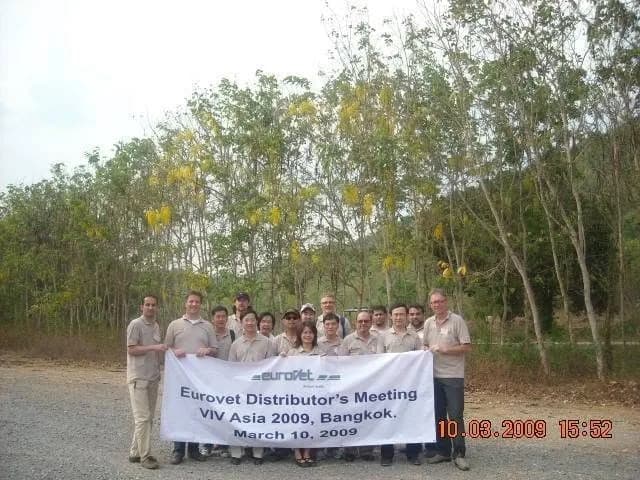
A Business Journey That Still Inspires After 17 Years
Seventeen years after a pivotal trip to international veterinary exhibitions and distributor meetings, Prix Director Baqar Abbas shares how global partnerships and field learning shaped the company we are today.
Read article
Building Global Veterinary Partnerships That Endure
Trust, transparency and shared quality standards are the foundation of veterinary partnerships that last, and of better outcomes for livestock and poultry farmers.
Read article
Learning That Shapes Veterinary Quality Standards
Quality in veterinary pharmaceuticals is not a single checkpoint. It is a culture of learning, verification and continuous improvement.
Read article