
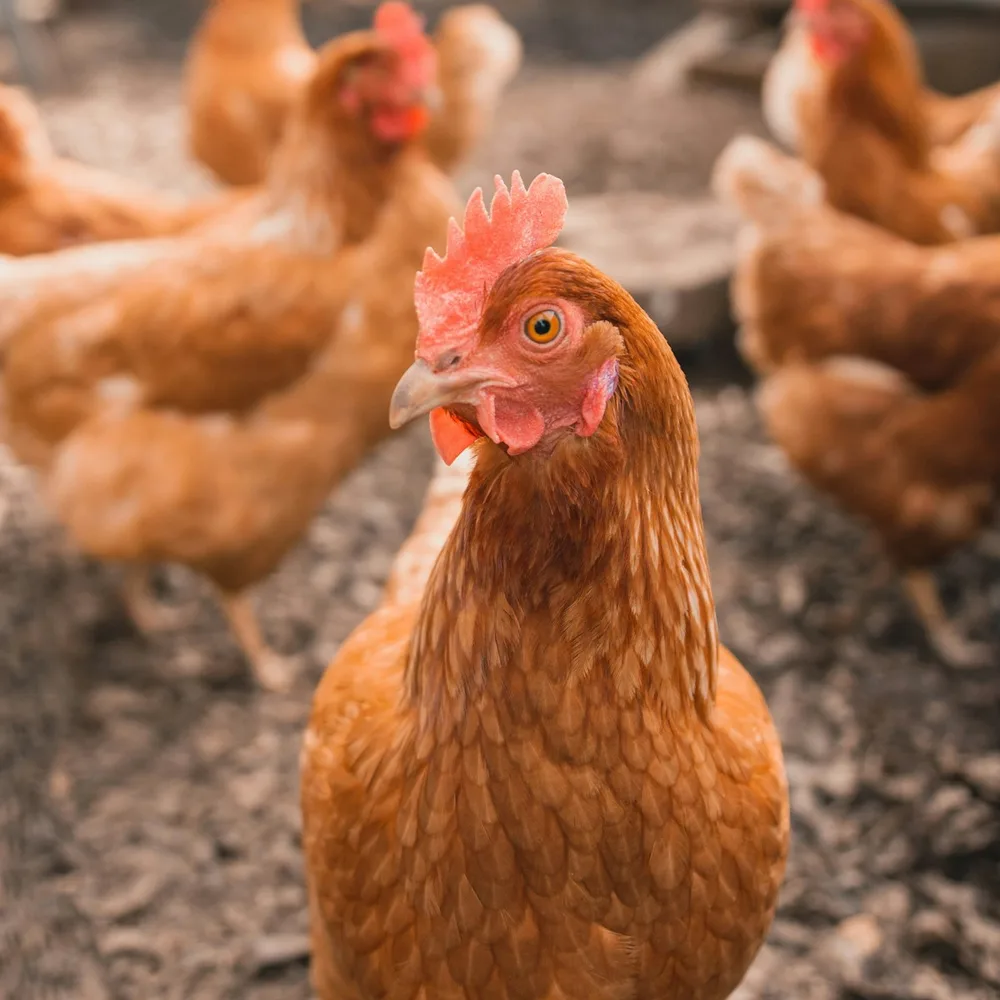
Poultry health programmes depend on sound husbandry, veterinary assessment and careful product selection.
Estimated reading time: 10 min read
Poultry medicine in Pakistan supports one of the country’s most intensive animal-production systems. Broiler and layer farms rely on veterinary assessment, biosecurity and carefully selected poultry health products to protect flock performance and food safety.
This guide explains how poultry veterinary medicines fit into practical flock health management, how major product categories are used in professional programmes, and how farms and distributors can evaluate pharmaceutical partners. It also points to the Prix poultry product hub for catalogue browsing.
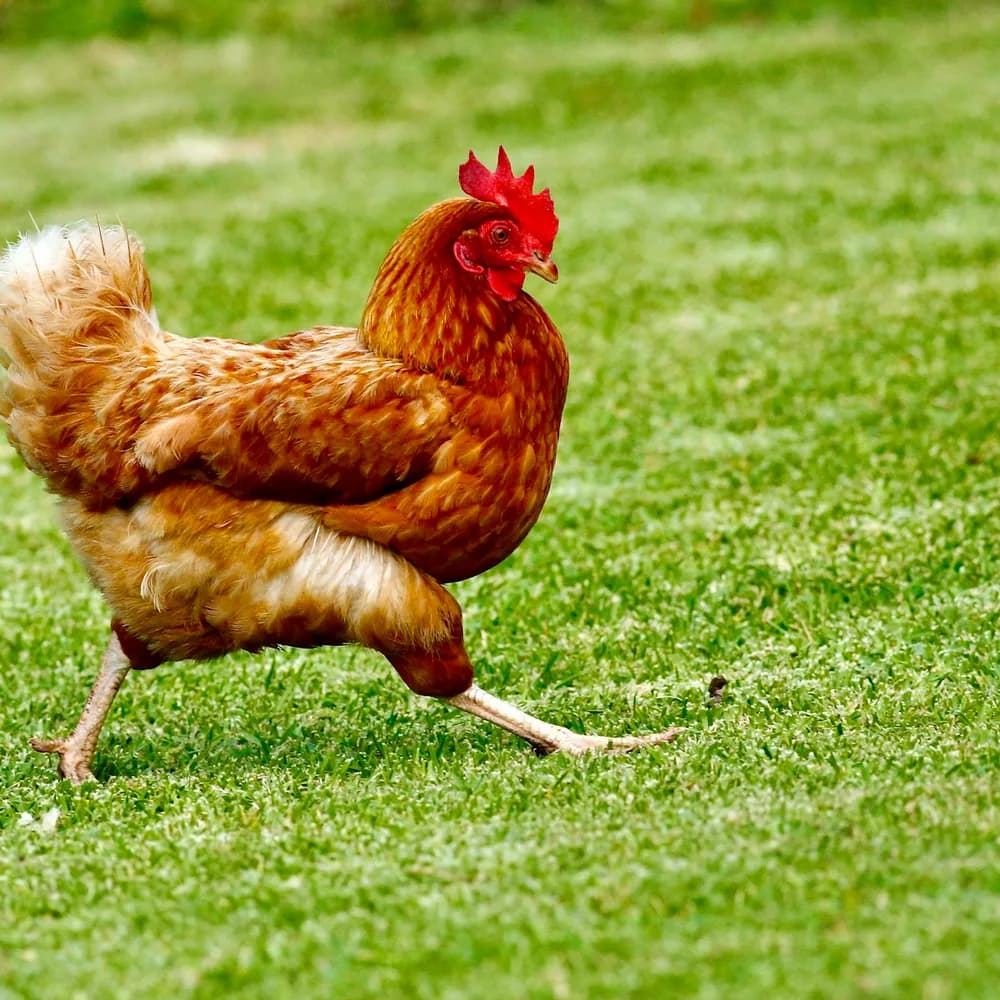
Poultry Health Management in Pakistan
Commercial poultry production concentrates birds, feed, water and labour in controlled housing systems. That intensity can improve efficiency, but it also means infectious pressure, environmental stress and management errors travel quickly through a flock.
Poultry disease management therefore starts before medicine is opened. Housing hygiene, water quality, ventilation, litter condition, vaccination planning where used, and movement control all reduce the need for emergency treatment. Medicines remain an important tool, but they work best inside a broader health plan.
The Role of Veterinary Diagnosis
Veterinary diagnosis sits between observation and product selection. Clinical signs, flock history, post-mortem findings and laboratory support help distinguish bacterial, parasitic, viral and management-related problems.
Without diagnosis, farms risk using the wrong poultry pharmaceutical products, delaying effective intervention, or applying antimicrobials where they are not justified. Professional veterinary guidance also helps interpret approved product information for the production system involved.
Major Categories of Poultry Health Products
Poultry health products are usually grouped by therapeutic purpose and dosage form. Common groups in veterinary poultry portfolios include:
- Antimicrobial medicines used under veterinary direction for bacterial disease management
- Anticoccidial products used within coccidiosis control programmes
- Anthelmintics where internal parasites are a concern
- Vitamins, minerals, electrolytes and other supportive products
- Related specialty products listed in a manufacturer’s poultry catalogue
Dosage forms matter as much as category. Oral powders and liquids for drinking water, premixes, injectables and other presentations each have different handling and administration implications. Product selection should follow veterinary requirements and the approved label, not informal substitution between presentations.
Responsible Use of Antimicrobial Medicines
Poultry antibiotics remain important when bacterial disease is confirmed or strongly suspected under veterinary care. Responsible use protects both flock welfare and the longer-term usefulness of antimicrobial classes.
The World Organisation for Animal Health (WOAH) emphasises prudent antimicrobial use in veterinary medicine, including prevention through husbandry, biosecurity, vaccination strategies where appropriate, diagnostics and professional prescribing practices. Antimicrobial medicines should not replace basic flock management.
Practical farm discipline includes recording batch details, avoiding leftover-medicine improvisation, and reviewing whether husbandry gaps contributed to repeated antimicrobial demand. For a fuller stewardship guide, read responsible antibiotic use in poultry.
Anticoccidials and Coccidiosis Management Concepts
Coccidiosis is a major parasitic concern in many poultry systems. Control programmes typically combine litter management, stocking density discipline, veterinary monitoring and, where indicated, anticoccidial products selected for the production system.
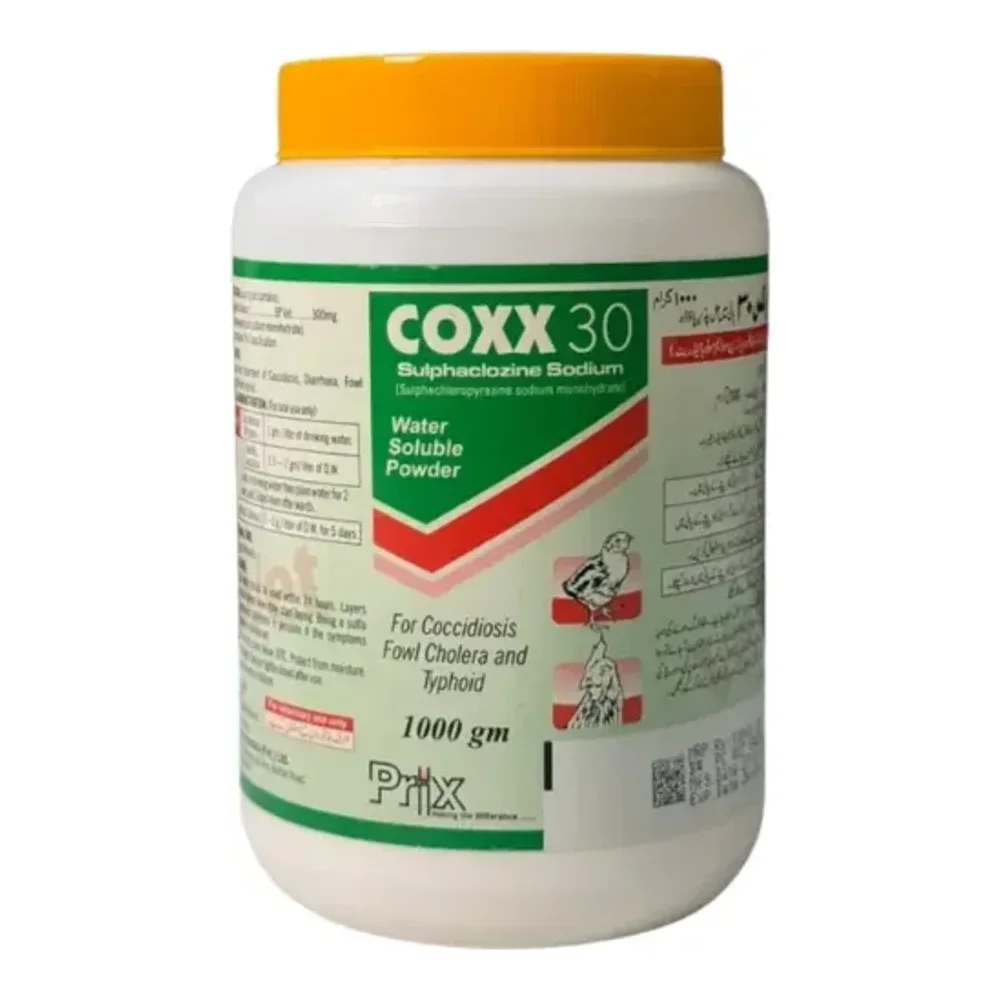
Anticoccidial choice and timing belong with veterinary and technical advisers familiar with local challenge patterns. Product labels and professional literature define how a presentation should be used. This article does not prescribe treatment schedules or product-specific programmes.
Vitamins, Minerals, Electrolytes and Supportive Products
Supportive poultry health products are commonly used around periods of stress, feed transition, heat challenge or recovery. Vitamin, mineral and electrolyte presentations can help maintain intake and metabolic support when recommended by a veterinarian or nutrition adviser.
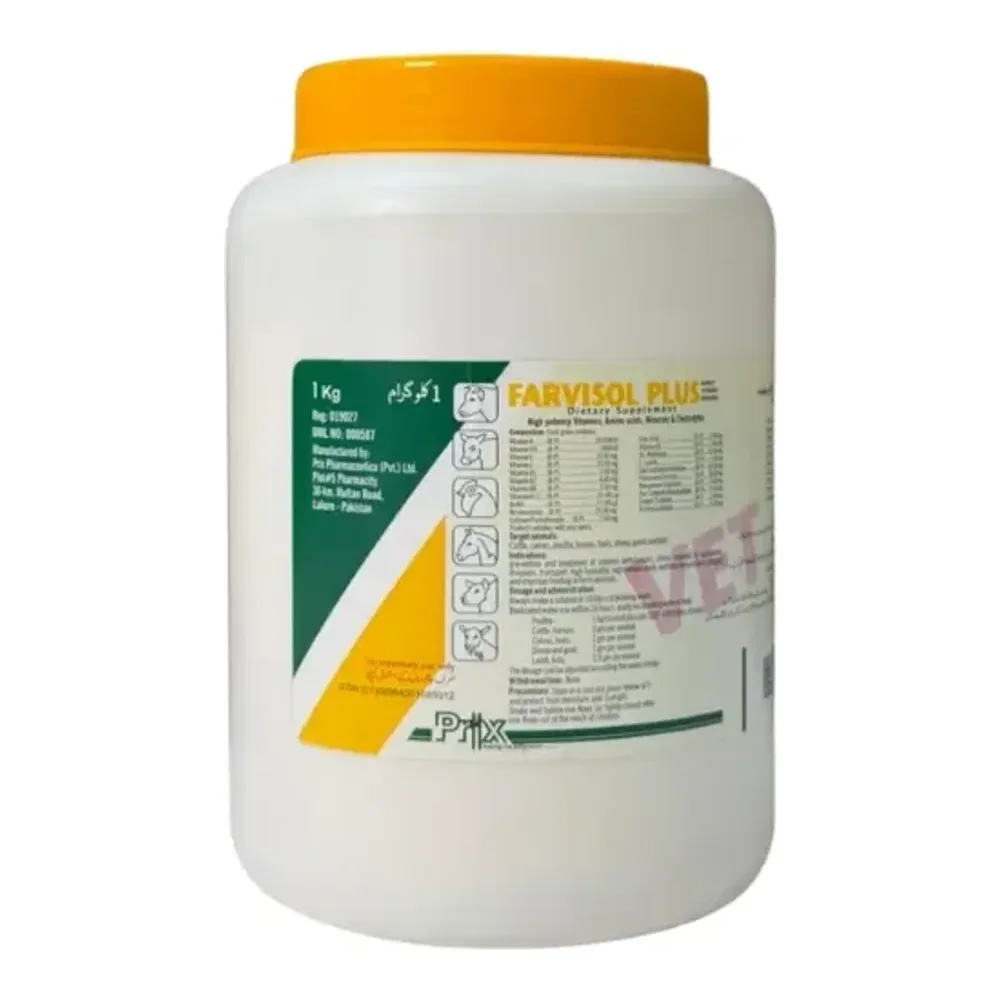
Supportive products are not substitutes for diagnosis or antimicrobial therapy when bacterial disease is present. They should be used according to approved product information and integrated into a planned flock-health approach.
Biosecurity and Disease Prevention
Biosecurity reduces pathogen introduction and spread between houses, farms and service vehicles. Core practices include controlled farm access, footwear and equipment hygiene, litter and water-line sanitation, rodent and wild-bird control, and all-in/all-out planning where the production system allows.
WOAH guidance on poultry production biosecurity stresses prevention as a foundation of flock health. Strong biosecurity usually reduces emergency medicine demand and improves the effectiveness of any veterinary intervention that is still required.
Administration According to Approved Product Information
Every veterinary poultry product should be used according to its approved labelling. That includes species or production-system scope, preparation method, administration route, duration limits where stated, contraindications and storage rules.
Drinking-water medication requires clean water lines and accurate dilution. Feed medication requires correct mixing. Injectable products require trained handling. Informal dose guessing, mixing incompatible products, or extending courses without veterinary advice undermines both efficacy and safety.
Storage and Handling of Veterinary Medicines
Storage conditions protect product quality after manufacture. Farms and distributors should follow labelled temperature and light requirements, keep containers sealed, and quarantine damaged packaging.

Manufacturers contribute through controlled production and packaging. After release, quality also depends on the distribution chain and on-farm medicine stores. Batch numbers should remain readable so complaints or pharmacovigilance reports can be investigated.
Withdrawal Periods and Food Safety Principles
Withdrawal periods exist to protect consumers of poultry meat, eggs and related products. After a medicine is used, a labelled waiting time may be required before animal products enter the food chain.

There is no universal withdrawal period for all poultry medicines. The correct interval depends on the approved product information and applicable regulatory requirements for that product and food commodity. Farms should record treatment dates and follow the label rather than informal rules of thumb.
How Poultry Farms and Distributors Can Evaluate Pharmaceutical Suppliers
Supplier evaluation should go beyond catalogue breadth. Useful questions include:
- Are products registered for the intended veterinary use in the relevant market?
- Is documentation available on request?
- Are labelling, storage and handling instructions clear?
- Can the supplier explain manufacturing and quality practices without vague claims?
- Is technical support available when flocks need product clarification?
- Is supply reliable across seasonal demand?
In Pakistan, the Drug Regulatory Authority of Pakistan (DRAP) regulates therapeutic goods, including pharmaceutical drugs for veterinary use. Buyers should treat registration and labelling as product-specific, not company-wide assumptions.
Prix Pharmaceutica Poultry Portfolio
Prix Pharmaceutica (Pvt.) Ltd. is a Lahore-based veterinary pharmaceutical manufacturer with a poultry-led catalogue. The published poultry range includes antibiotics, anticoccidials, vitamins and electrolytes, and related animal-health products used in professional poultry programmes.
Browse the poultry animal-health page for category navigation, or open the full product catalogue when comparing presentations. Product pages summarise composition, dosage form and pack information from the catalogue and do not replace approved labelling or veterinary advice.
Manufacturing context and quality documentation practices are summarised on Science & Quality. Catalogues and requestable literature are available through Resources. Company background is on the company profile.
References / Sources
- Drug Regulatory Authority of Pakistan (DRAP) - national regulatory authority for therapeutic goods, including veterinary pharmaceuticals.
- WOAH antimicrobial resistance initiative - international guidance context for responsible antimicrobial use in animals.
- WOAH Technical Reference Document on antimicrobial agents of veterinary importance for poultry - poultry-specific AMR reference material (not a treatment guideline).
- Food and Agriculture Organization (FAO) antimicrobial resistance hub - food and agriculture perspective on AMR stewardship.
Veterinary medicines should be selected and used according to approved product information and professional veterinary guidance. Product availability, registration and approved indications may vary by market.
Frequently Asked Questions
Prix Knowledge Centre
Stay informed on animal health insights
Receive updates on veterinary pharmaceuticals, poultry and livestock healthcare, and company news from Prix Pharmaceutica.
Explore our veterinary solutions
Browse veterinary pharmaceuticals and nutritional products for livestock, poultry, equine and companion animals, with technical support available on request.
Related articles

Veterinary Pharmaceutical Companies in Pakistan: Quality, Manufacturing and Animal Health
How veterinary pharmaceutical companies in Pakistan support animal health through manufacturing quality, registration, dosage-form selection and responsible medicine use.
Read article
Building Global Veterinary Partnerships That Endure
Trust, transparency and shared quality standards are the foundation of veterinary partnerships that last, and of better outcomes for livestock and poultry farmers.
Read article
Learning That Shapes Veterinary Quality Standards
Quality in veterinary pharmaceuticals is not a single checkpoint. It is a culture of learning, verification and continuous improvement.
Read article