
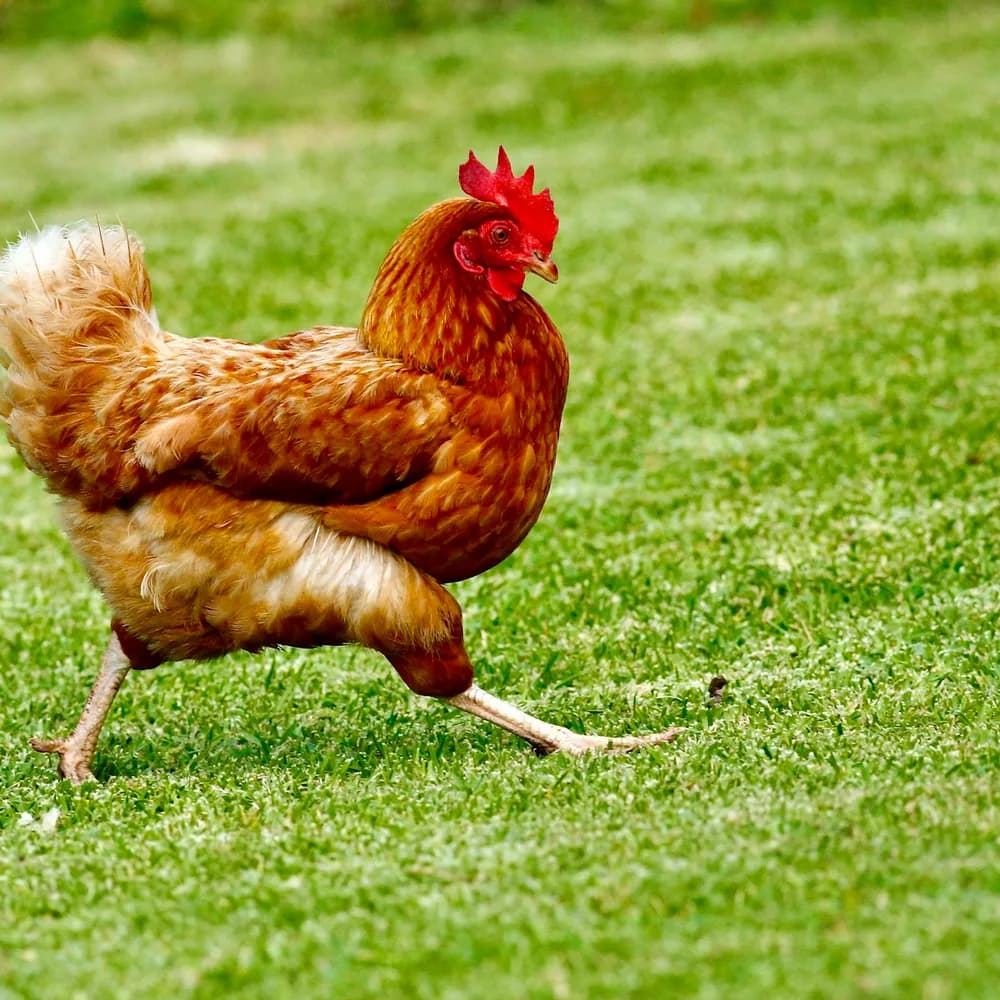
Early flock observation helps poultry farms in Pakistan recognise health changes before losses escalate.
Estimated reading time: 12 min read
Common poultry diseases in Pakistan remain a practical concern for broiler and layer farms. Intensive housing, shared service routes and seasonal heat stress can amplify flock risk when early warning signs are missed.
This article explains disease categories, possible warning signs, prevention through biosecurity and flock management, and why veterinary diagnosis matters. It is an educational guide, not a treatment protocol. For product-category context, see Poultry Medicine in Pakistan and the broader industry overview in Veterinary Pharmaceutical Companies in Pakistan.
Why Early Disease Recognition Matters
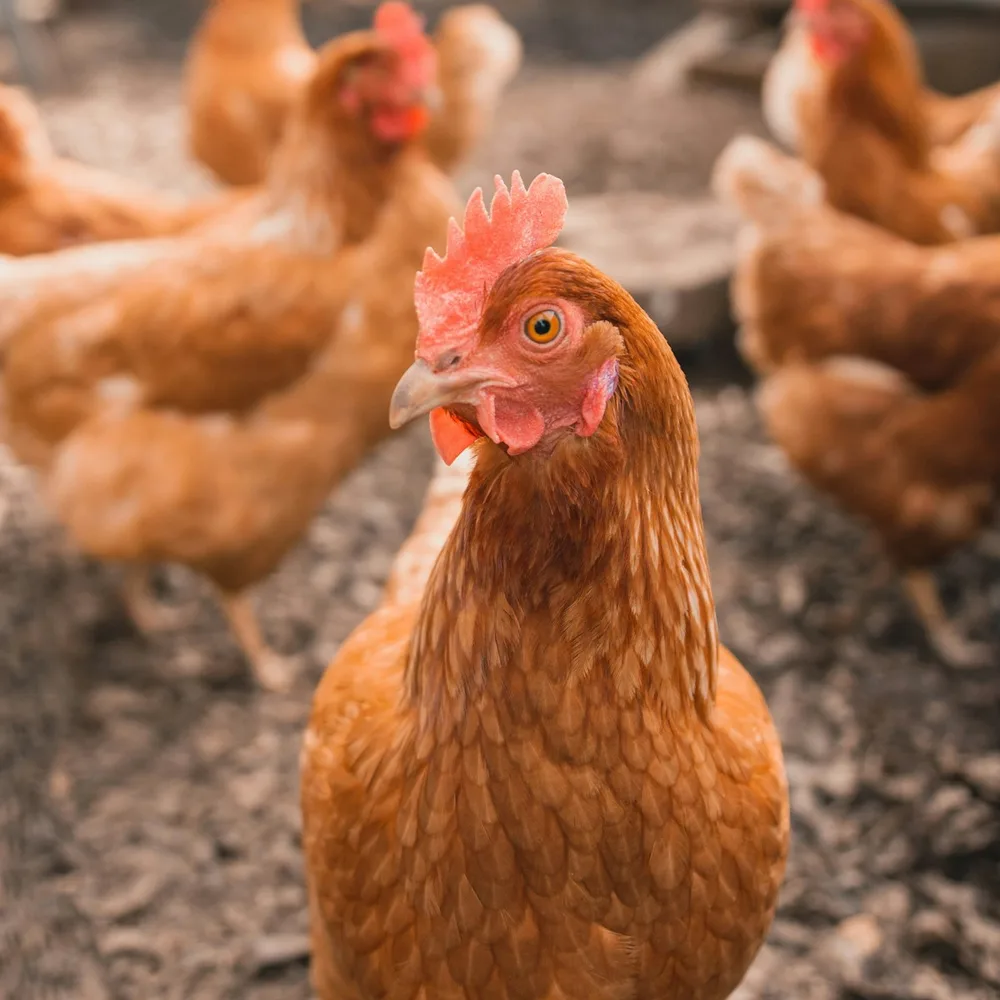
In commercial poultry, disease can move through a house faster than informal observation suggests. A short delay in recognising reduced intake, respiratory noise or uneven bird quality can turn a contained problem into wider mortality and production loss.
Early recognition does not mean guessing a diagnosis from a single sign. It means noticing change early enough to involve a veterinarian, tighten biosecurity and collect useful history for laboratory investigation where needed.
Why Symptoms Alone Are Not Enough
Many poultry diseases share respiratory, digestive or systemic signs. A drop in egg production, diarrhoea or gasping can point to more than one cause. Co-infections and management stress can also blur the clinical picture.
According to the World Organisation for Animal Health (WOAH), Newcastle disease can look clinically similar to avian influenza, so laboratory confirmation is important. Treating on appearance alone can waste time and antimicrobial medicines while the flock continues to suffer.
Common Disease Categories Affecting Poultry
Poultry farm disease management usually groups problems into viral, bacterial, parasitic, fungal and management-related categories. Farms also see nutritional deficiencies and heat-stress syndromes that mimic or worsen infectious disease.
Understanding categories helps structure investigation. It does not replace veterinary assessment or laboratory work when the flock is at risk.
Respiratory Disease Signs
Respiratory signs may include coughing, sneezing, nasal or ocular discharge, rattling breathing, open-mouth breathing and reduced activity. In layers, respiratory infection can accompany egg-production or shell-quality changes.
Possible causes range from viral diseases such as Newcastle disease or avian influenza to bacterial and mycoplasma-associated respiratory problems, often complicated by poor air quality or secondary infection. Similar signs therefore require careful differential diagnosis.
Digestive and Enteric Disease Signs
Enteric warning signs include diarrhoea, soiled vents, wet litter, reduced feed conversion, uneven growth and higher cull rates. Litter condition often deteriorates quickly when enteric disease is active.
Coccidiosis, necrotic enteritis, some viral and bacterial infections, and feed or water quality problems can all contribute. Distinguishing these conditions usually needs veterinary examination and, where indicated, laboratory support.
Newcastle Disease
What it is: Newcastle disease is a contagious viral disease of birds caused by virulent avian paramyxovirus type 1. WOAH notes that it occurs worldwide and can affect domestic poultry in mild to very severe forms.
Possible signs: Respiratory disease is common. Depression, nervous signs or diarrhoea may dominate depending on virus strain and flock factors. Severe forms can cause high mortality.
Why diagnosis matters: Clinical patterns can resemble avian influenza and other respiratory diseases. Laboratory testing is needed to confirm the cause.
Prevention and management considerations: Vaccination programmes where used, strict biosecurity, controlled bird and vehicle movement, and rapid veterinary reporting of suspected severe disease all support control. Medicine use, if any, should follow veterinary guidance for secondary problems and never replace diagnosis.
Avian Influenza
What it is: Avian influenza is caused by influenza A viruses in birds. Pathogenicity varies widely, from mild infection to highly pathogenic disease with severe flock impact. See WOAH resources on avian influenza for official disease context.
Possible signs: Mild forms may show limited respiratory or production effects. Highly pathogenic forms can cause sudden death, severe depression, respiratory distress and sharp production drops.
Why diagnosis matters: Severe avian influenza and Newcastle disease can look alike. Accurate laboratory differentiation supports reporting and control decisions.
Prevention and management considerations: Biosecurity against wild-bird and fomite introduction, visitor control, and coordination with veterinary authorities are central. Suspected highly pathogenic disease requires professional and official veterinary pathways rather than informal farm treatment.
Infectious Bursal Disease (Gumboro Disease)
What it is: Infectious bursal disease (IBD) is a viral infection that causes clinical disease mainly in young chickens. According to WOAH, IBD damages the bursa of Fabricius and can suppress immune responses, increasing secondary infection risk.
Possible signs: Acute disease in young birds may include depression, diarrhoea and sudden death. Subclinical infection earlier in life is also recognised and can still impair flock immunity.
Why diagnosis matters: Sudden death and diarrhoea in young chickens can also occur with other infections. Bursal findings and laboratory confirmation help separate IBD from competing diagnoses.
Prevention and management considerations: Vaccination planning where used, hygiene, and reducing concurrent disease pressure support control. Immunosuppressed flocks need careful veterinary oversight for secondary infections.
Coccidiosis
What it is: Coccidiosis is a parasitic disease caused by Eimeria species that damage the intestinal tract. It is a major enteric concern in many broiler and layer systems worldwide, including intensive farms in Pakistan.
Possible signs: Diarrhoea, bloody droppings in some forms, huddling, reduced weight gain, poor feed conversion and wet litter are commonly reported. Severity depends on species, challenge level and flock immunity.
Why diagnosis matters: Enteric signs overlap with necrotic enteritis, viral enteritis and management-related litter problems. Veterinary and laboratory investigation clarify whether coccidiosis is primary, concurrent or secondary.
Prevention and management considerations: Litter management, stocking density discipline, water-line hygiene, anticoccidial programme design under professional advice, and monitoring for relapse after stress events are typical control pillars. Product selection belongs with veterinary advisers and approved labelling, not informal farm substitution.
Bacterial Disease Considerations
Bacterial problems in poultry may include colibacillosis, salmonellosis and necrotic enteritis, among others. These conditions often follow or accompany viral challenge, immunosuppression, poor air quality or enteric damage.
Possible signs: Depending on the condition, farms may see respiratory involvement, septicaemia-like depression, diarrhoea, higher mortality, omphalitis in chicks, or egg-related contamination concerns in breeding and layer systems.
Why diagnosis matters: Bacterial labels are frequently applied after visual inspection alone. Culture, necropsy patterns and history help avoid unnecessary antimicrobial use and identify underlying management or viral drivers.
Prevention and management considerations: Hatchery and farm hygiene, water sanitation, litter quality, vaccination where relevant, and responsible antimicrobial stewardship under veterinary direction are more durable than repeated emergency treatment cycles.
Parasitic Disease Considerations
Internal parasites and external parasites can reduce performance and welfare even when mortality remains moderate. Worm burdens may contribute to uneven growth and poor feed efficiency. External parasites can cause irritation, anaemia risk in heavy infestations and restless flocks.
Diagnosis should confirm the parasite type before control measures are chosen. Housing hygiene, litter renewal, rodent control and veterinary-guided parasite control programmes support prevention.
Nutritional Deficiencies and Heat Stress
Not every flock problem is infectious. Nutritional deficiencies, mycotoxin exposure, water deprivation and heat stress can produce lethargy, panting, reduced intake, wet droppings or sudden mortality that farms may first interpret as disease outbreaks.

Pakistan’s summer heat is a recurring management challenge for broiler and layer houses. Ventilation, stocking density, drinking-water availability and heat-stress preparedness reduce losses and lower secondary infection risk. Veterinary investigation still matters when infectious disease cannot be excluded.
Vaccination and Biosecurity
Vaccination programmes, where used, are planned around local disease risk, flock type and veterinary advice. They are not a substitute for biosecurity. Cold-chain failures, incorrect administration or mismatched programmes can leave gaps that farms notice only after challenge.
Biosecurity remains the daily defence: controlled farm entry, footwear and equipment hygiene, clean litter and water systems, wild-bird exclusion where practical, and disciplined movement of birds, feed and people between houses.
Farm Hygiene and Flock Monitoring
Useful monitoring includes daily mortality counts, feed and water intake trends, litter score, bird uniformity and egg records in layers. Simple written records help veterinarians interpret outbreaks later.
House cleaning between flocks, downtime where the system allows, and attention to drinkers and coolers reduce pathogen build-up. Hygiene is especially important after enteric or immunosuppressive disease.
Veterinary Diagnosis and Laboratory Confirmation
A veterinarian combines clinical history, necropsy findings where appropriate and laboratory tests such as PCR, serology, parasitology or bacteriology. Sample timing and handling affect result quality.
Laboratory confirmation supports disease surveillance reporting where required and protects neighbouring farms when highly contagious disease is involved. It also prevents repeated blind treatment cycles that drive cost and antimicrobial pressure.
Responsible Medicine Use
Veterinary medicines have a role after diagnosis, not before it. Antibiotics do not treat viral diseases. Anticoccidials, supportive products and other poultry health products should be used according to approved product information under professional guidance. See also responsible antibiotic use and antimicrobial stewardship in poultry.
In Pakistan, product registration and labelling considerations fall under the Drug Regulatory Authority of Pakistan (DRAP) framework for veterinary pharmaceuticals. Farms and distributors should treat registration as product-specific. For manufacturing and quality context, see Science & Quality.
How Prix Supports Poultry Health
Prix Pharmaceutica (Pvt.) Ltd. manufactures veterinary pharmaceuticals in Lahore and publishes a poultry-led catalogue for professional users. The portfolio includes antibiotics, anticoccidials, vitamins and electrolytes, and related animal-health products listed on the poultry products page.
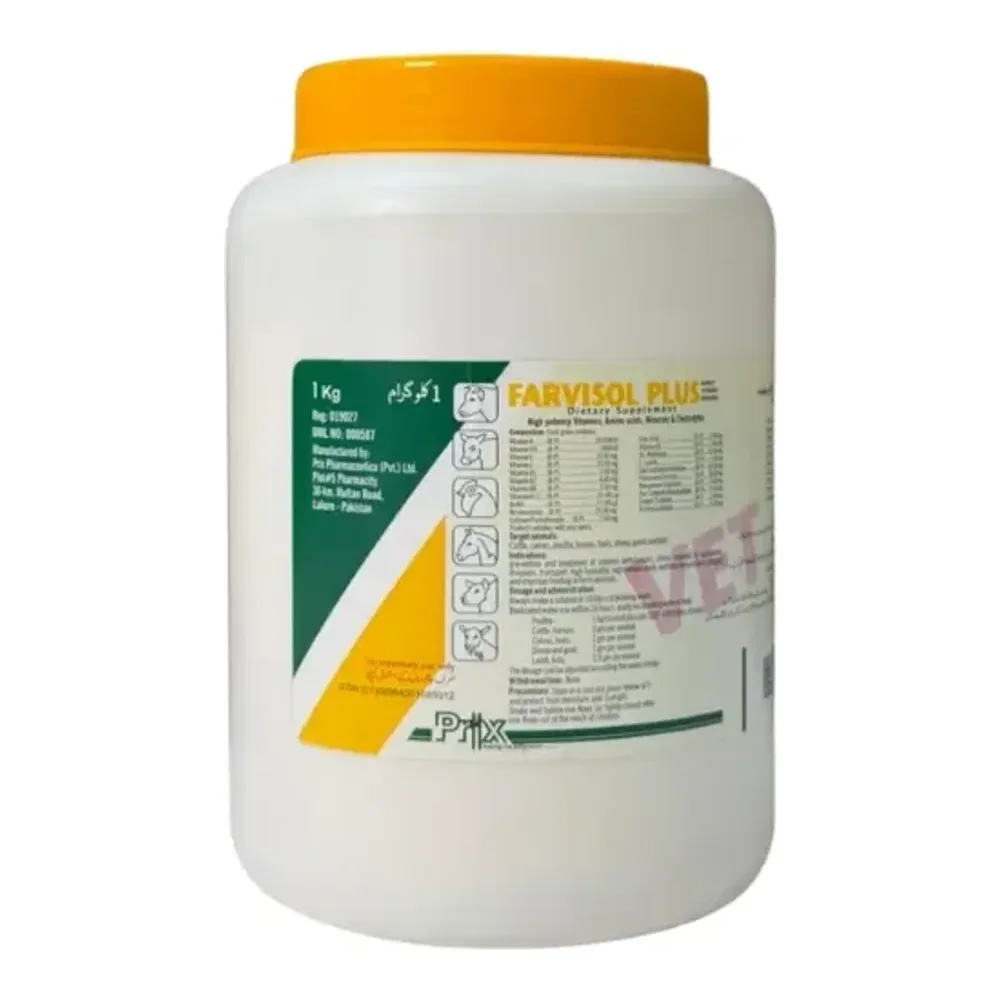
Prix does not replace veterinary diagnosis. The company provides product information, catalogues and documentation through Resources, and catalogue browsing through Products. Company background is available on the company profile.

Disease signs can overlap between conditions. Diagnosis and treatment decisions should be made using professional veterinary assessment, appropriate testing and approved product information. Product availability and approved indications may vary by market.
References / Sources
- WOAH: Newcastle disease - disease overview and diagnostic importance versus avian influenza.
- WOAH: Avian influenza - official disease information.
- WOAH: Infectious bursal disease (Gumboro disease) - disease overview.
- Drug Regulatory Authority of Pakistan (DRAP) - national regulatory context for veterinary pharmaceuticals.
- FAO Animal Health - international animal-health resource hub.
Frequently Asked Questions
Prix Knowledge Centre
Stay informed on animal health insights
Receive updates on veterinary pharmaceuticals, poultry and livestock healthcare, and company news from Prix Pharmaceutica.
Explore our veterinary solutions
Browse veterinary pharmaceuticals and nutritional products for livestock, poultry, equine and companion animals, with technical support available on request.
Related articles
Poultry Medicine in Pakistan: A Practical Guide to Poultry Health Products
A practical guide to poultry medicine in Pakistan covering product categories, veterinary diagnosis, responsible antimicrobial use, biosecurity, storage and supplier evaluation.
Read article
Veterinary Pharmaceutical Companies in Pakistan: Quality, Manufacturing and Animal Health
How veterinary pharmaceutical companies in Pakistan support animal health through manufacturing quality, registration, dosage-form selection and responsible medicine use.
Read article
Learning That Shapes Veterinary Quality Standards
Quality in veterinary pharmaceuticals is not a single checkpoint. It is a culture of learning, verification and continuous improvement.
Read article