

Responsible antibiotic use in poultry protects flock health and supports food safety for consumers.
Estimated reading time: 11 min read
Responsible antibiotic use in poultry is part of modern flock-health management. Antibiotics remain important tools when bacterial disease is confirmed or strongly suspected under veterinary care, but they are not a default response to every production problem.
This guide explains antimicrobial stewardship for poultry production: when antibiotics are and are not appropriate, why diagnosis comes first, how resistance develops, and how biosecurity and records support safer use. It is educational guidance, not an antibiotic selection chart. Related reading includes poultry medicine categories, common poultry diseases, and veterinary pharmaceutical manufacturing in Pakistan.
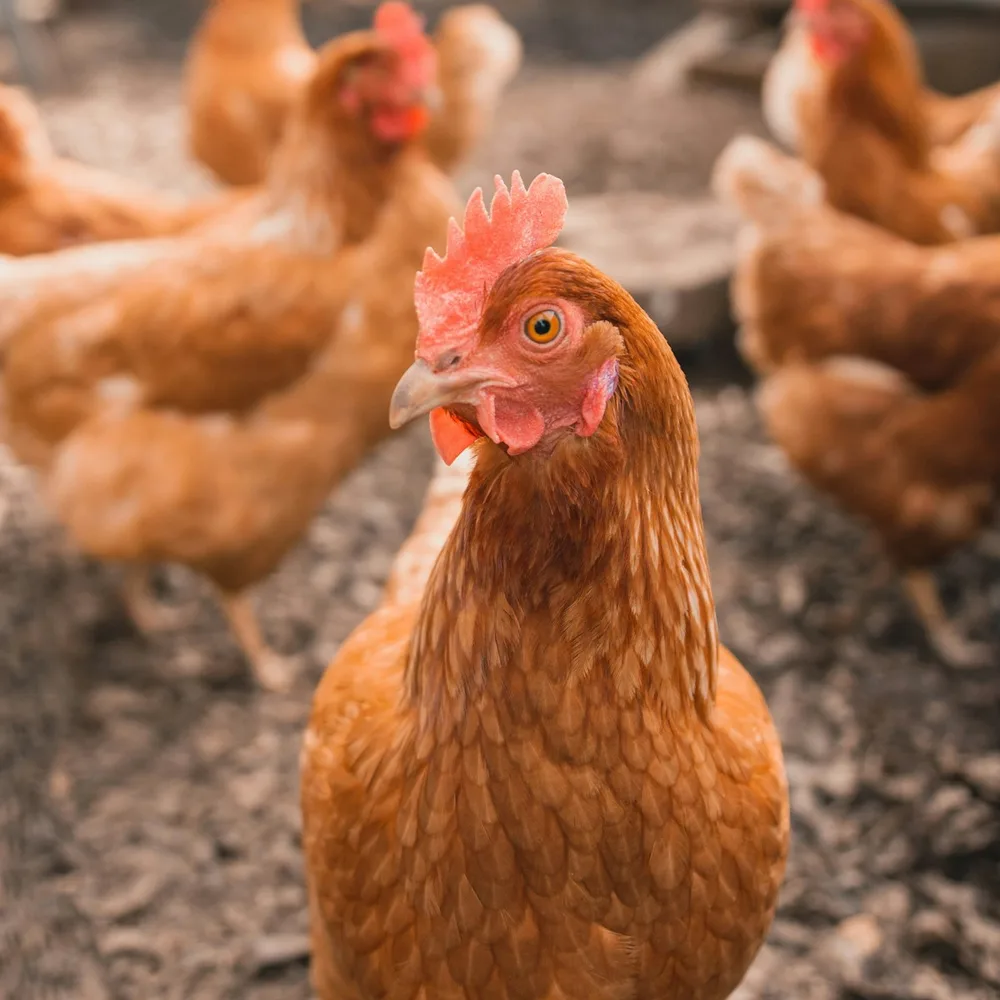
What Are Antibiotics in Poultry Veterinary Medicine?
In veterinary medicine, antibiotics are antimicrobial medicines used against susceptible bacterial infections. Poultry antibiotics may be supplied in different presentations, such as water-soluble powders, oral liquids or other labelled forms, depending on the product.
Their purpose is clinical: to support treatment or control of bacterial disease when justified. They are not vitamins, not vaccines, and not general production stimulants. Using them outside approved indications or without veterinary assessment weakens stewardship.
Why Antibiotics Are Not Appropriate for Every Poultry Disease
Many flock problems are viral, parasitic, nutritional or environmental. Antibiotics do not remove viruses, coccidia or heat stress. Giving an antibiotic because birds look unwell can delay the real solution and expose bacteria to unnecessary selection pressure.
Even when bacterial disease is present, the medicine, route and course must match approved product information and veterinary judgement. Informal farm protocols copied between houses often ignore age, concurrent disease and label limits.
Why Veterinary Diagnosis Comes First
Respiratory noise, diarrhoea or uneven growth can share multiple causes. Diagnosis may include flock history, necropsy findings and laboratory tests. That process decides whether an antimicrobial is justified at all.
Self-diagnosis from symptoms alone is unreliable. A veterinarian can also identify when supportive care, biosecurity changes or non-antibiotic interventions are the priority. For disease recognition context, see the common poultry diseases guide.
Understanding Antimicrobial Resistance
Antimicrobial resistance (AMR) occurs when microorganisms survive medicines that previously inhibited or killed them. Resistant bacteria can make infections harder to manage and may limit future treatment options for animals.
Resistance is not caused by one single farm practice. Selection pressure increases when antimicrobials are used without need, at incorrect intensity relative to labelling, for unnecessary duration, or as a substitute for prevention. Co-selection, poor infection control and movement of resistant organisms between environments also matter.
The World Health Organization (WHO), Food and Agriculture Organization (FAO) and World Organisation for Animal Health (WOAH) frame AMR as a shared One Health challenge across people, animals, plants and ecosystems.
What Antimicrobial Stewardship Means in Poultry Production
Antimicrobial stewardship is the coordinated effort to use antimicrobials responsibly so that flock welfare is protected while antimicrobial effectiveness is preserved. In poultry, stewardship includes prevention, diagnostics, professional prescribing, label compliance and review of repeated medicine demand.
WOAH guidance on responsible and prudent antimicrobial use emphasises husbandry, hygiene, biosecurity, vaccination strategies where appropriate, laboratory access and alternatives that reduce unnecessary antimicrobial need. Stewardship is a system, not a single product choice.
Responsible Use of Veterinary Antibiotics
Responsible use starts with a clear clinical question: is a bacterial target likely, and is an antimicrobial the right tool? When yes, farms should follow the approved product information for species or production scope, preparation method, route and labelled limits.
Dose, route and duration matter because under-dosing, over-dosing or unfinished courses can all undermine outcomes and increase selection pressure. This article does not publish dose tables or schedules. Those details belong on the specific product label and in veterinary advice for that flock.
Responsible use also means avoiding leftover-medicine improvisation, avoiding informal mixing of incompatible products, and stopping when the veterinary plan says to stop.
Withdrawal Periods and Food Safety
A withdrawal period is the waiting time after medicine use before meat, eggs or other animal products may enter the food chain, as defined by approved product information and applicable rules. It exists to protect consumers from unacceptable residues.
There is no universal withdrawal period for all poultry antibiotics. The correct interval depends on the medicine, formulation, labelled use and regulatory requirements for that product. Farms should record treatment dates and follow the label rather than informal rules of thumb.
Record-Keeping and Traceability
Treatment records link flock identity, medicine name, batch number, dates, route and veterinary advice. Good records support withdrawal compliance, complaint investigation and pharmacovigilance follow-up.
Distributors and farms also benefit from keeping purchase documents and storage conditions visible. Traceability is part of stewardship because it makes repeated or unexplained antimicrobial use reviewable.
Reducing Disease Pressure Through Biosecurity
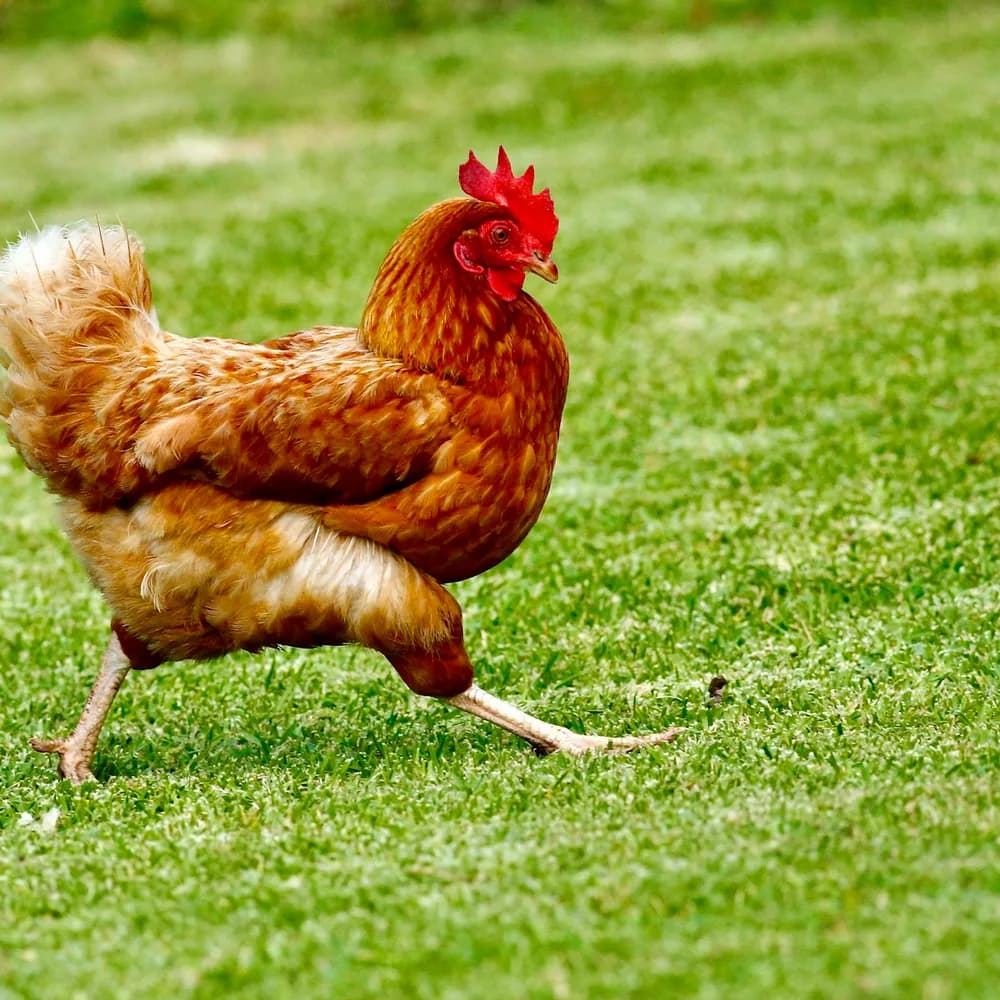
Every avoided outbreak is an avoided medicine decision. Biosecurity limits pathogen introduction and spread through controlled farm access, footwear and equipment hygiene, litter and water-line care, rodent and wild-bird control, and disciplined movement between houses.
When biosecurity is weak, farms often see recurring respiratory or enteric episodes and rising antimicrobial demand. Strengthening prevention is usually more durable than rotating medicine brands.
Vaccination and Preventive Flock Health
Vaccination programmes, where used, reduce challenge from specific diseases under professional planning. They are not a substitute for housing quality, nutrition or hygiene, and this article does not provide flock vaccination schedules.
Preventive flock health also includes ventilation, stocking density, feed and water quality, chick quality and downtime between flocks where the system allows. These measures lower stress and secondary bacterial risk.
Storage and Handling of Veterinary Medicines

Antibiotics that are heat-damaged, contaminated or past labelled storage conditions may fail to deliver expected activity. Farms should follow label storage rules, keep containers sealed and quarantine damaged packs.
Manufacturers contribute through controlled production and packaging. After release, quality also depends on distribution and on-farm stores. For manufacturing and quality context, see Science & Quality.
Antimicrobial Resistance and One Health
One Health recognises that animal health, human health, food systems and the environment are linked. Resistant bacteria and resistance genes can move through food chains, occupational contact and environmental pathways.
Poultry stewardship therefore supports more than farm productivity. It contributes to preserving antimicrobial options that matter across sectors. WHO, FAO and WOAH promote coordinated national and sector actions rather than blaming a single stakeholder group.
The Role of Veterinary Pharmaceutical Companies
Veterinarians diagnose and advise. Farms implement biosecurity, records and labelled use. Distributors maintain storage and documentation. Pharmaceutical manufacturers supply registered products, clear labelling and technical information without encouraging indiscriminate use.
In Pakistan, veterinary pharmaceutical registration and labelling expectations sit under the Drug Regulatory Authority of Pakistan (DRAP). Registration remains product-specific. Industry context is covered in veterinary pharmaceutical companies in Pakistan.
Prix Pharmaceutica and Responsible Poultry Health
Prix Pharmaceutica (Pvt.) Ltd. is a Lahore-based veterinary pharmaceutical manufacturer with a poultry-led catalogue. The company publishes product information and documentation for professional users and frames quality around documented manufacturing practices.
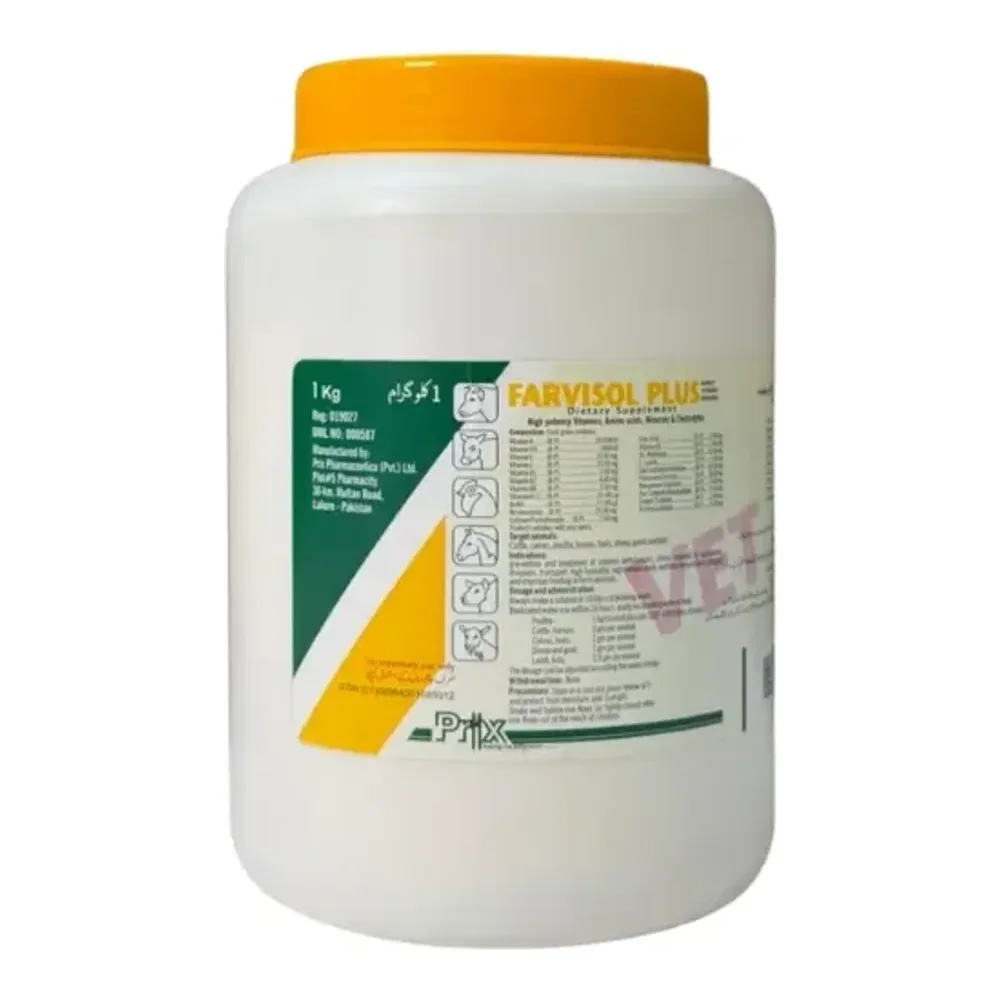
Prix does not replace veterinary diagnosis or stewardship decisions on farm. Browse the poultry products hub, the full catalogue, and Resources for literature requests. Category overviews are also discussed in the poultry medicine guide.
Explore Poultry Health Resources
For practical next steps: review flock monitoring and biosecurity with your veterinarian, keep medicine records complete, and use only approved product information when an antimicrobial is justified. Explore Prix poultry pages when you need catalogue or documentation support.
Antibiotics should be selected and used only under professional veterinary guidance and according to approved product information. This article does not provide treatment protocols, dose tables or disease-specific medicine recommendations.
References / Sources
- WHO: Antimicrobial resistance - One Health AMR overview.
- FAO: Antimicrobial resistance - food and agriculture AMR hub.
- WOAH: Antimicrobial resistance initiative - animal-health AMR and responsible use context.
- WOAH Technical Reference Document on antimicrobial agents of veterinary importance for poultry - poultry-specific reference material (not a treatment guideline).
- Drug Regulatory Authority of Pakistan (DRAP) - national regulatory authority for therapeutic goods, including veterinary pharmaceuticals.
Frequently Asked Questions
Prix Knowledge Centre
Stay informed on animal health insights
Receive updates on veterinary pharmaceuticals, poultry and livestock healthcare, and company news from Prix Pharmaceutica.
Explore our veterinary solutions
Browse veterinary pharmaceuticals and nutritional products for livestock, poultry, equine and companion animals, with technical support available on request.
Related articles
Common Poultry Diseases in Pakistan: Signs, Prevention and Veterinary Diagnosis
An educational guide to common poultry diseases in Pakistan, covering warning signs, biosecurity, prevention and why veterinary diagnosis matters.
Read article
Poultry Medicine in Pakistan: A Practical Guide to Poultry Health Products
A practical guide to poultry medicine in Pakistan covering product categories, veterinary diagnosis, responsible antimicrobial use, biosecurity, storage and supplier evaluation.
Read article
Veterinary Pharmaceutical Companies in Pakistan: Quality, Manufacturing and Animal Health
How veterinary pharmaceutical companies in Pakistan support animal health through manufacturing quality, registration, dosage-form selection and responsible medicine use.
Read article