

Advanced diagnostics, point-of-care rapid tests, and precision IoT livestock technologies are reshaping veterinary clinical decision-making in Pakistan.
Estimated reading time: 11 min read
The veterinary profession is entering a technological renaissance. Historically, livestock and poultry management across Pakistan relied heavily on empirical observation, visual symptom recognition, and trial-and-error medication. While experienced clinical observation remains invaluable, modern high-density farming leaves no room for diagnostic delay or guesswork. A misidentified viral infection treated with expensive antibiotics wastes financial resources, damages animal welfare, and worsens antimicrobial resistance.
Today, the convergence of molecular diagnostics, rapid point-of-care (POC) test kits, wearable livestock biometric sensors, and Internet of Things (IoT) environmental controls is fundamentally redefining veterinary healthcare in Pakistan. Progressing toward 2027, progressive commercial dairy producers and poultry enterprises are recognizing that precision diagnostics and digital data are not luxuries—they are essential tools for biological risk mitigation, operational efficiency, and sustainable herd profitability.
Point-of-Care Diagnostics: Shifting Confirmation from Central Labs to the Pen-Side
In livestock medicine, time-to-diagnosis dictates the speed and efficacy of outbreak containment. Historically, submitting blood, serum, or tissue samples to provincial diagnostic laboratories in Lahore, Rawalpindi, or Tandojam required several days to obtain results. In fast-moving viral or toxic conditions, that window often proved fatal.
- Lateral Flow Immunochromatographic Strips: Handheld strip tests now deliver pen-side confirmation within 10 to 15 minutes for major pathogens, including Foot-and-Mouth Disease (FMD) viral antigens, Bovine Viral Diarrhea (BVD), Brucellosis antibodies, and neonatal enteropathogens (Rotavirus, Coronavirus, and Cryptosporidium).
- Portable Thermal Cyclers (Field PCR): Compact, battery-operated real-time PCR platforms are increasingly deployed by corporate livestock conglomerates and progressive consultancy groups. These devices amplify and verify specific viral or bacterial DNA/RNA directly on the farm within 60 minutes, enabling rapid, definitive quarantine decisions.
- Subclinical Mastitis Screening: Digital somatic cell count (SCC) handheld meters and cow-side photometric analyzers quantify udder inflammation in seconds, transforming selective dry-cow and lactation therapies.
Smart Wearables and Rumination Biometrics in Commercial Dairy
- Neck Collars and Accelerometers: Sensor-equipped collars track rumination minutes, chewing rate, eating time, and general locomotion 24 hours a day. Because cows chew their cud for 450 to 500 minutes daily when healthy, a sharp reduction in rumination time is the earliest physiological indicator of systemic distress—preceding fever, milk drop, or visible dullness by up to 48 hours.
- Reticulorumen Boluses: Ingestible biometric boluses sit permanently in the reticulum, measuring continuous internal core body temperature and water-drinking frequency. Sudden spikes in internal temperature trigger immediate automated smartphone alerts to the herd manager, flagging acute mastitis, metritis, or tick-borne hemoparasitic infections (such as Theileriosis) long before external signs develop.
- Automated Estrus Detection: Accelerometers measure high restlessness and mounting activity associated with standing heat, boosting artificial insemination (AI) submission rates from an industry average of 45% up to 75%, and eliminating the high cost of missed breeding cycles.
To understand how precision data complements preventative udder health, explore our clinical guide on dairy herd health and mastitis prevention in Pakistan.

Automated IoT Climate Controllers in Environmentally Controlled Poultry
- Multi-Sensor Fusion: Modern controllers integrate digital temperature probes at multiple house elevations, relative humidity sensors, static pressure differential manometers, and real-time carbon dioxide (CO₂) and ammonia (NH₃) infrared gas detectors.
- Dynamic Tunnel/Minimum Ventilation Staging: The system continuously recalculates air exchange requirements based on flock biomass age and environmental readings, modulating variable-frequency drive (VFD) fans and ceiling inlet baffles to eliminate cold drafts and ammonia pocketing.
- Automated Water and Feed Tracking: In-line digital ultrasonic water meters measure hourly consumption per 1,000 birds. A 10% drop in expected water intake is the most reliable early warning of enteric bacterial challenge, coccidiosis, or vaccine reaction, alerting farm managers a full day before physical mortality climbs.
Cross-reference our technical analysis on poultry respiratory disease prevention and farm biosecurity for environmental guidelines.
Digital Health Ledgers and Traceability for Antimicrobial Stewardship
- When an animal is treated, the system logs the exact product batch number, active ingredient, dosage, and administering technician.
- The software automatically locks the animal’s electronic ID, calculating withdrawal clearance dates and integrating with automated parlor sorting gates to divert milk from the bulk tank until the withdrawal interval has elapsed.
- Aggregated treatment analytics reveal disease hotspots across barns, allowing attending veterinarians to refine immunization schedules, change biosecurity protocols, and eliminate unnecessary preventative antibiotic use.
Key Takeaways for Progressive Producers and Veterinarians
- Diagnostics Precede Treatment: Deploy rapid point-of-care lateral flow tests and subclinical mastitis meters to eliminate speculative medication.
- Rumination is the Early Warning System: Smart collars and reticular boluses identify metabolic illness and fever 24 to 48 hours before physical symptoms appear.
- Automate Microclimates: Integrate multi-sensor controllers in poultry sheds to stabilize air quality and eliminate ammonia-induced respiratory disease.
- Digital Traceability Protects Food Safety: Utilize electronic herd software to enforce withdrawal intervals and verify antibiotic stewardship compliance.
- Invest in Data Literacy: The value of digital technology lies in data interpretation; veterinarians must lead farm staff in translating sensor metrics into timely clinical actions.
References and Authoritative Standards
- WOAH Guidelines on Terrestrial Animal Health Surveillance and Digital Information Systems.
- FAO Digital Agriculture and Precision Livestock Farming Compendium.
- Computers and Electronics in Agriculture — Sensor biometrics and automated disease detection models in dairy and poultry.
- University of Veterinary and Animal Sciences (UVAS) Lahore — Precision dairy technologies and diagnostic innovation in Pakistan.
Frequently Asked Questions
Prix Knowledge Centre
Stay informed on animal health insights
Receive updates on veterinary pharmaceuticals, poultry and livestock healthcare, and company news from Prix Pharmaceutica.
Explore our veterinary solutions
Browse veterinary pharmaceuticals and nutritional products for livestock, poultry, equine and companion animals, with technical support available on request.
Related articles

Pakistan Veterinary Pharmaceutical Industry Outlook 2027: Regulatory Modernization, Market Dynamics, and Quality Standards
An authoritative 2026–2027 strategic overview of Pakistan’s veterinary pharmaceutical sector, examining DRAP cGMP regulations, supply-chain resilience, export growth, and shifting livestock market dynamics.
Read article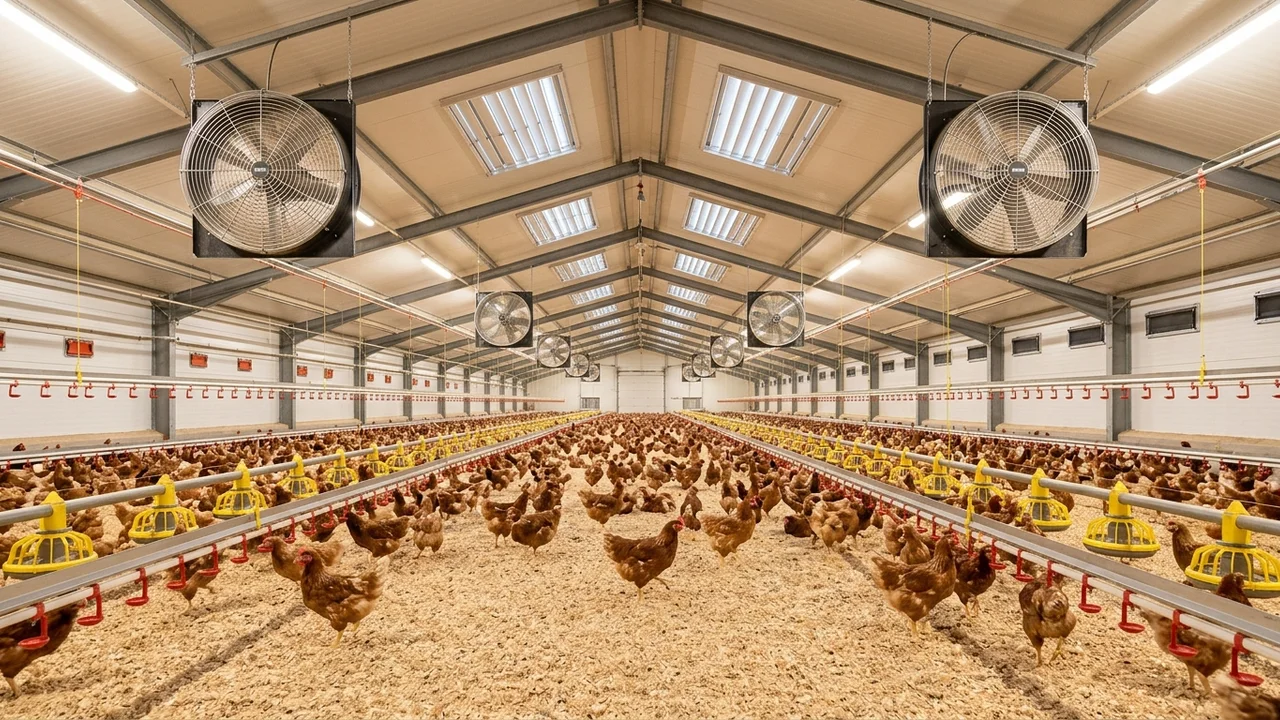
Poultry Respiratory Disease Prevention and Farm Biosecurity in Pakistan: Clinical Insights for Commercial Broilers and Layers
A practical veterinary guide for commercial poultry farmers in Pakistan: preventing Chronic Respiratory Disease (CRD), managing winter ammonia toxicity, optimizing minimum ventilation, and building biosecurity perimeters.
Read article
Dairy Herd Health and Mastitis Prevention in Pakistan: Clinical Protocols, Teat Disinfection, and Somatic Cell Control
An essential clinical guide for Pakistani dairy farmers and veterinarians on preventing bovine and buffalo mastitis: teat dipping protocols, CMT screening, selective dry-cow management, and parlor hygiene.
Read article