

Temperature-controlled warehousing, cold-chain transport, and stability testing ensure veterinary medicines maintain label potency from production to farm application.
Estimated reading time: 11 min read
A veterinary medicine or biological vaccine is only as effective as the storage conditions it experiences between final factory release and field administration. In Pakistan’s severe tropical environment—where summer temperatures frequently cross 45°C (113°F) and monsoon humidity saturates regional supply lines—maintaining proper storage conditions and unbroken biological cold chains is one of the most critical challenges in animal healthcare.
When a veterinary product is exposed to excessive thermal loads, radiant sunlight, or inadvertent freezing, degradation is often invisible to the naked eye. The clear injectable solution may still appear transparent; the reconstituted vaccine may look normal in the syringe; yet chemical potency has eroded and biological titers have plummeted. The inevitable result is clinical treatment failure, disease outbreaks in supposedly protected herds, economic losses for farmers, and unfair reputational damage to the prescriber. This technical guide outlines the regulatory, chemical, and logistical discipline required to preserve veterinary pharmaceutical quality across Pakistan.
Understanding Temperature Classifications: Cold Chain vs. Controlled Ambient
- Refrigerated / Cold Chain (2°C to 8°C): Mandatory for biological vaccines, hormonal injections (such as prostaglandins and GnRH analogs), specialized diagnostic sera, and select unstable suspensions. Never allow cold-chain biologicals to freeze.
- Cool Storage (8°C to 15°C): Often specified for specific oral drenches, vitamin complexes, and ointments that destabilize or soften under high ambient warmth.
- Controlled Room Temperature (15°C to 25°C, excursions to 30°C): The required baseline for dry powders, non-biological injectables, anthelmintics, and water-soluble formulations. Storing room-temperature goods in unventilated tin-roof warehouses that reach 45°C violates good distribution practices (GDP) and rapidly degrades active ingredients.
- Protect from Direct Light and Moisture: Many molecules (e.g., fluoroquinolones, tetracyclines, and fat-soluble vitamins) are photolabile, degrading rapidly when exposed to ultraviolet radiation. Products in amber glass or opaque high-density polyethylene (HDPE) must remain in their protective secondary cardboard cartons until use.
Mechanisms of Degradation: Hydrolysis, Oxidation, and Emulsion Breakdown
- Hydrolytic Cleavage: In water-soluble powders and oral liquids, ambient moisture ingress (accelerated by poorly sealed packaging or damaged foil liners) catalyzes the hydrolytic breakdown of ester, amide, and beta-lactam bonds. This is why hygroscopic powders become caked, discolored, and chemically inert when left open in humid farm sheds.
- Oxidation and Photolysis: Exposure to atmospheric oxygen and ambient light oxidizes sensitive vitamins (A, D3, E, and B-complex) and antimicrobial active moieties. This oxidation produces free-radical chain reactions that lower therapeutic potency and generate irritating degradation byproducts.
- Thermal Emulsion Inversion: Long-acting oily injectables and adjuvanted vaccines rely on precisely balanced surfactant matrices. Thermal spikes alter interfacial tension, causing phase separation (oil floating above aqueous layers) that cannot be reconstituted by shaking and results in unpredictable dosing kinetics.
Climatic Zone IVb: Why Formulation Integrity Begins at the Factory
Pakistan belongs to the World Health Organization’s Zone IVb Climatic Classification (Hot and Very Humid). Under Zone IVb protocols, long-term stability studies must demonstrate that the finished product maintains 90%–110% of declared active potency at 30°C ± 2°C and 75% ± 5% relative humidity across its entire multi-year shelf life.
- Moisture-Vapor Barrier Packaging: Deploying multi-laminate aluminum-barrier sachets and induction-sealed HDPE bottles that physically block tropical humidity.
- Validated Nitrogen Purging: Flushing liquid vial headspaces with inert nitrogen gas to displace dissolved oxygen prior to rubber crimping.
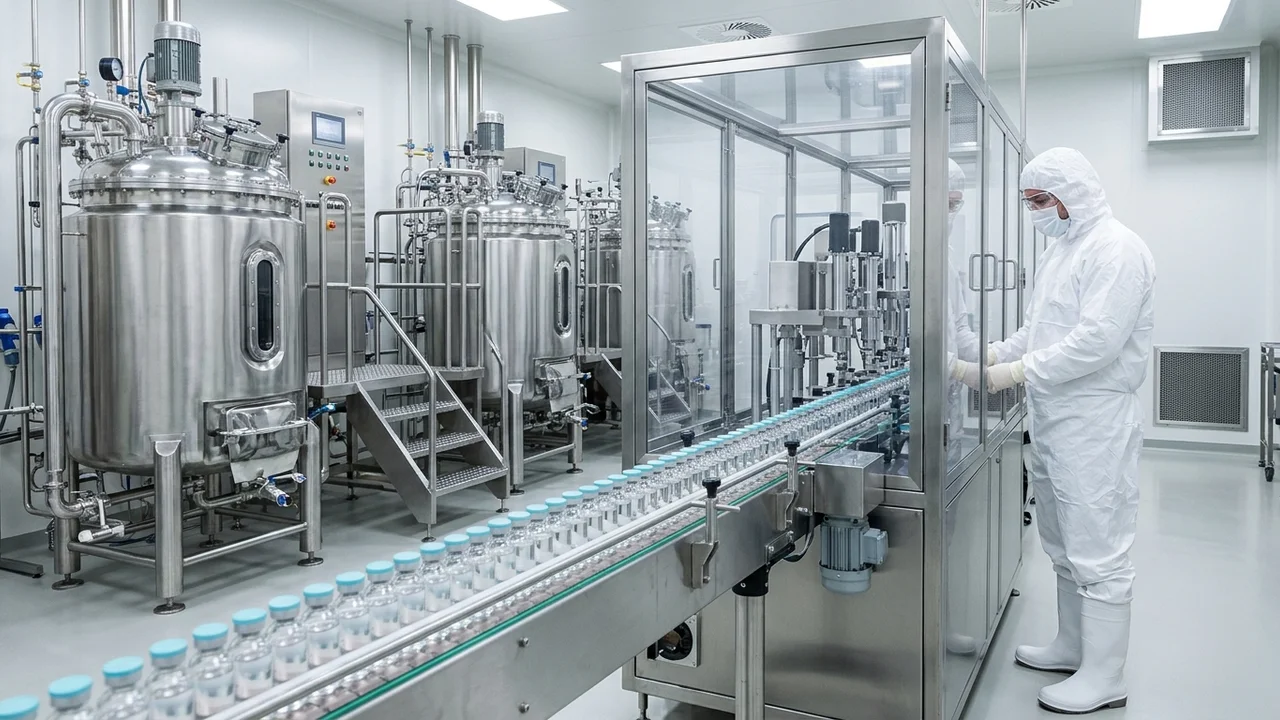
- Thermal In-Process Controls: Operating climate-controlled formulation cleanrooms where humidity and temperature are tracked 24/7 by validated digital building management systems (BMS).

Last-Mile Cold Chain Logistics: Distributors, Vans, and Farm Refrigerators
- Inadequate Transit Insulation: Transporting live vaccines or heat-sensitive injectables in uninsulated cardboard boxes or with a single, melting ice pack on long bus or motorcycle journeys through Punjab summer heat. Transport requires validated, hard-shell polyurethane insulated cool-boxes with adequate conditioned ice packs.
- The "Freezer Burn" Risk: Placing vaccine vials directly in physical contact with frozen ice packs (-15°C) inside cool-boxes. Direct contact freezes the vaccine, destroying aluminum adjuvants. Conditioned ice packs (ice packs allowed to sit at room temperature until liquid water forms on the surface) must be used, separated from vials by corrugated cardboard or bubble wrap.
- Farm Refrigerator Errors: Domestic refrigerators in rural clinics frequently suffer from door-gasket leaks, over-crowding that blocks cold-air circulation, and power load-shedding without generator or solar battery backup. Refrigerator doors must never hold vaccines; vaccines must occupy central shelves equipped with a continuous digital maximum-minimum thermometer.
Key Takeaways for Distributors, Veterinarians, and Farmers
- Continuous Temperature Surveillance: Use calibrated digital data loggers rather than single-point mercury thermometers to verify 2°C–8°C compliance.
- Freezing is as Deadly as Heat: Never allow adjuvanted biologicals to freeze; freezing breaks emulsions and permanently precipitates adjuvant complexes.
- Insulate Every Transport: Ship biologicals and sensitive injectables in validated polyurethane cool-boxes with barrier insulation between ice packs and vials.
- Respect Zone IVb Reality: Never store room-temperature pharmaceuticals in non-ventilated metal sheds; summer roof temperatures can exceed 55°C, rapidly destroying active ingredients.
- Maintain Original Secondary Packaging: Protect amber vials and blister packs from ambient light and moisture by retaining them in their original cartons until the point of administration.
References and Quality Assurance Guidelines
- Drug Regulatory Authority of Pakistan (DRAP) — Good Distribution Practices (GDP) and storage requirements for therapeutic goods.
- WHO Guidelines for the Storage and Transport of Time- and Temperature-Sensitive Pharmaceutical Products.
- ICH Q1A (R2): Stability Testing of New Drug Substances and Products — Climatic Zone IVb testing protocols.
- WOAH Terrestrial Manual — General requirements for the storage and cold-chain distribution of veterinary biologicals.
Frequently Asked Questions
Prix Knowledge Centre
Stay informed on animal health insights
Receive updates on veterinary pharmaceuticals, poultry and livestock healthcare, and company news from Prix Pharmaceutica.
Explore our veterinary solutions
Browse veterinary pharmaceuticals and nutritional products for livestock, poultry, equine and companion animals, with technical support available on request.
Related articles
Pakistan Veterinary Pharmaceutical Industry Outlook 2027: Regulatory Modernization, Market Dynamics, and Quality Standards
An authoritative 2026–2027 strategic overview of Pakistan’s veterinary pharmaceutical sector, examining DRAP cGMP regulations, supply-chain resilience, export growth, and shifting livestock market dynamics.
Read article
Veterinary Vaccination Planning and Disease Prevention in Pakistan: Immunological Protocols, Maternal Antibodies, and Herd Protection
A practical veterinary guide for livestock and poultry producers on vaccination planning: timing schedules around maternal antibodies, protecting the biological cold chain, and preventing endemic disease outbreaks in Pakistan.
Read article
Veterinary Pharmaceutical Companies in Pakistan: Quality, Manufacturing and Animal Health
How veterinary pharmaceutical companies in Pakistan support animal health through manufacturing quality, registration, dosage-form selection and responsible medicine use.
Read article