
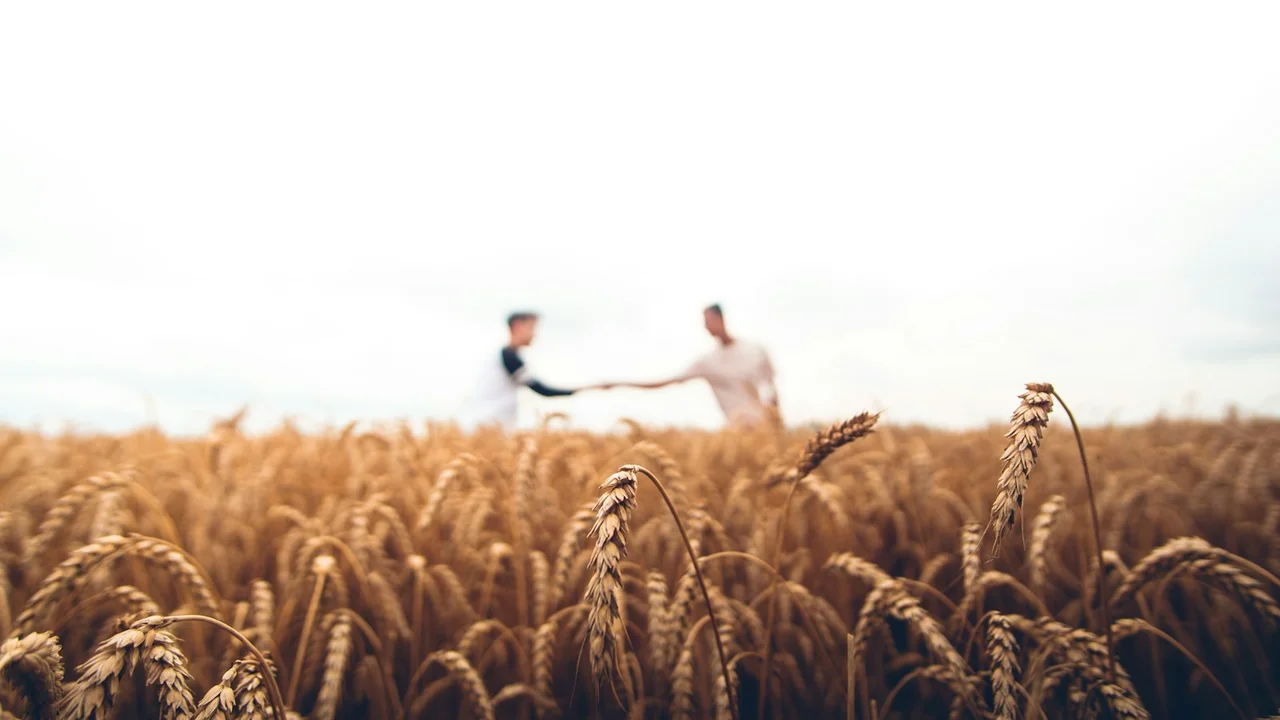
Sustainable animal health management directly underpins national food security, rural economic stability, and high-quality protein production across Pakistan.
Estimated reading time: 11 min read
Food security is traditionally discussed in terms of crop yields, wheat reserves, and water storage. However, for a nation of over 240 million citizens facing documented challenges in protein nutrition, childhood stunting, and maternal health, animal agriculture is the true linchpin of national nutritional resilience. Milk, eggs, beef, mutton, and poultry meat provide essential amino acids, micronutrients, iron, and vitamins that cannot be easily replicated by cereal grains alone.
In Pakistan, the livestock sector is an economic giant. Contributing over 62 percent of total agricultural value added and surpassing 14 percent of national Gross Domestic Product (GDP), it supports the livelihoods of more than 8 million rural households. Yet, this vast biological reservoir is continually undermined by preventable animal diseases, nutritional deficiencies, and inadequate veterinary infrastructure. Examining animal health through the lens of national food security reveals that veterinary medicine is not merely an agricultural input—it is a critical pillar of sovereign national stability.
The Economic Backbone: Livestock as Pakistan’s Living Bank
- Daily Cash Flow: Dairy animals—predominantly Nili-Ravi and Kundi buffaloes, alongside Sahiwal and crossbred cattle—provide daily milk yields that generate immediate, liquid cash flow for smallholders, financing daily household sustenance, education, and healthcare.
- Capital Preservation and Insurance: Small ruminants (sheep and goats) represent a mobile financial reserve—often described as the "poor man’s ATM"—liquidated during emergencies, weddings, or crop failures.
- Gender Empowerment: In rural communities, over 70 percent of livestock management activities—including feeding, milking, and dung management—are performed by rural women. Protecting animal health directly empowers women and preserves household economic autonomy.
The "Invisible Tax": How Preventable Disease Erodes Food Production
- Parasitic Burdens: Chronic gastrointestinal roundworms, liver fluke (Fasciola gigantica), and tick-borne hemoparasites silently siphon nutrients away from host animals. Affected cattle and sheep experience a 20% to 35% reduction in growth rate and a 15% reduction in milk synthesis, while consuming the same quantity of scarce forage. Routine strategic deworming—detailed in our guide on livestock deworming in Pakistan—directly translates into higher food yields without increasing herd headcounts.
- Subclinical Mastitis: As outlined in our dairy mastitis prevention guide, subclinical udder infections reduce daily milk output by hundreds of thousands of liters across Pakistan every single day, while deteriorating milk shelf life and processing quality.
- Reproductive Wastage: Suboptimal nutrition, trace-mineral deficiencies, and reproductive tract infections extend calving intervals from an ideal 13 months out to 18–22 months. Every barren month a dairy cow or buffalo spends un-milked represents pure economic drain and lost food for the nation.
The Commercial Poultry Sector: The Shield Against Protein Poverty
Over the past three decades, Pakistan’s commercial poultry industry has emerged as the country’s primary defense against acute protein poverty. Producing billions of eggs and millions of broilers annually, modern poultry production delivers the most cost-effective and biologically efficient animal protein available to Pakistani consumers.
However, high-density commercial production is biologically fragile. Epidemic viral challenges (such as Avian Influenza, Newcastle Disease, and Infectious Bronchitis) and chronic respiratory complexes can wipe out flock populations within days. Sustaining this critical protein supply requires rigorous farm biosecurity, high-standard environmental management, and responsible medication protocols, as detailed in our guide on poultry respiratory disease prevention and biosecurity.

Pharmaceutical Sovereignty: The Strategic Value of Domestic Veterinary Manufacturing
National food security cannot be divorced from pharmaceutical supply-chain resilience. If a nation is entirely dependent on foreign finished pharmaceutical imports, any geopolitical crisis, foreign exchange currency devaluation, or global shipping disruption immediately halts the flow of essential animal health products.
- Ensuring continuous local production of essential veterinary antibiotics, anthelmintics, nutritional minerals, and metabolic balancers.
- Formulating products optimized specifically for local pathogens and climatic challenges (Zone IVb conditions).
- Stabilizing pricing so that veterinary treatments remain economically accessible to commercial farm managers and rural smallholders alike.
For broader industry context, review our analysis on veterinary pharmaceutical manufacturing companies in Pakistan.
Climate Shocks, Floods, and Policy Priorities for 2027
Pakistan ranks among the most climate-vulnerable countries in the world. The devastating monsoon floods of 2022 submerged millions of acres of agricultural land, killing over 1.2 million head of livestock and triggering widespread outbreaks of Hemorrhagic Septicemia, Anthrax, and parasitic enteritis.
- Emergency Veterinary Medicine Reserves: Establishing provincial strategic buffer stocks of essential veterinary vaccines, emergency antibiotics, and fluid therapy products to deploy immediately during flood and drought events.
- Strengthened Veterinary Cold Chains: Investing in solar-powered rural clinic refrigeration to guarantee vaccine potency across Southern Punjab, Sindh, and Balochistan.
- Surveillance and Disease Early Warning: Deploying digital disease surveillance platforms connecting field veterinarians with provincial diagnostic laboratories for real-time reporting of transboundary animal diseases.
- Food Safety and Residue Control: Enforcing strict milk and meat withdrawal periods to ensure that the protein reaching Pakistani tables is free from harmful antimicrobial residues.
Key Takeaways for Policy Makers and Animal Health Professionals
- Animal Health is Food Security: Livestock accounts for 62% of agricultural value; preserving animal health directly combats national protein malnutrition.
- Eliminate the Subclinical Tax: Systematic parasite control and subclinical mastitis prevention boost national milk and meat yields by up to 25% without requiring more animals.
- Protect Commercial Poultry: Maintain rigorous biosecurity and environmental management to safeguard the nation’s most affordable source of animal protein.
- Value Pharmaceutical Sovereignty: Domestic cGMP veterinary medicine manufacturing shields Pakistan’s agricultural economy from global supply disruptions.
- Build Climate Resilience: Establish emergency veterinary medicine reserves and solar cold chains to protect rural herds during severe weather shocks.
References and Authoritative Reports
- Government of Pakistan: Ministry of Finance — Pakistan Economic Survey (Agriculture, Livestock, and Food Security Chapter).
- Food and Agriculture Organization (FAO) Pakistan — Livestock sector review, pastoral livelihoods, and food security assessments.
- WOAH: One Health and Food Security Global Strategy.
- Drug Regulatory Authority of Pakistan (DRAP) — Veterinary therapeutic goods registration and domestic manufacturing policies.
Frequently Asked Questions
Prix Knowledge Centre
Stay informed on animal health insights
Receive updates on veterinary pharmaceuticals, poultry and livestock healthcare, and company news from Prix Pharmaceutica.
Explore our veterinary solutions
Browse veterinary pharmaceuticals and nutritional products for livestock, poultry, equine and companion animals, with technical support available on request.
Related articles
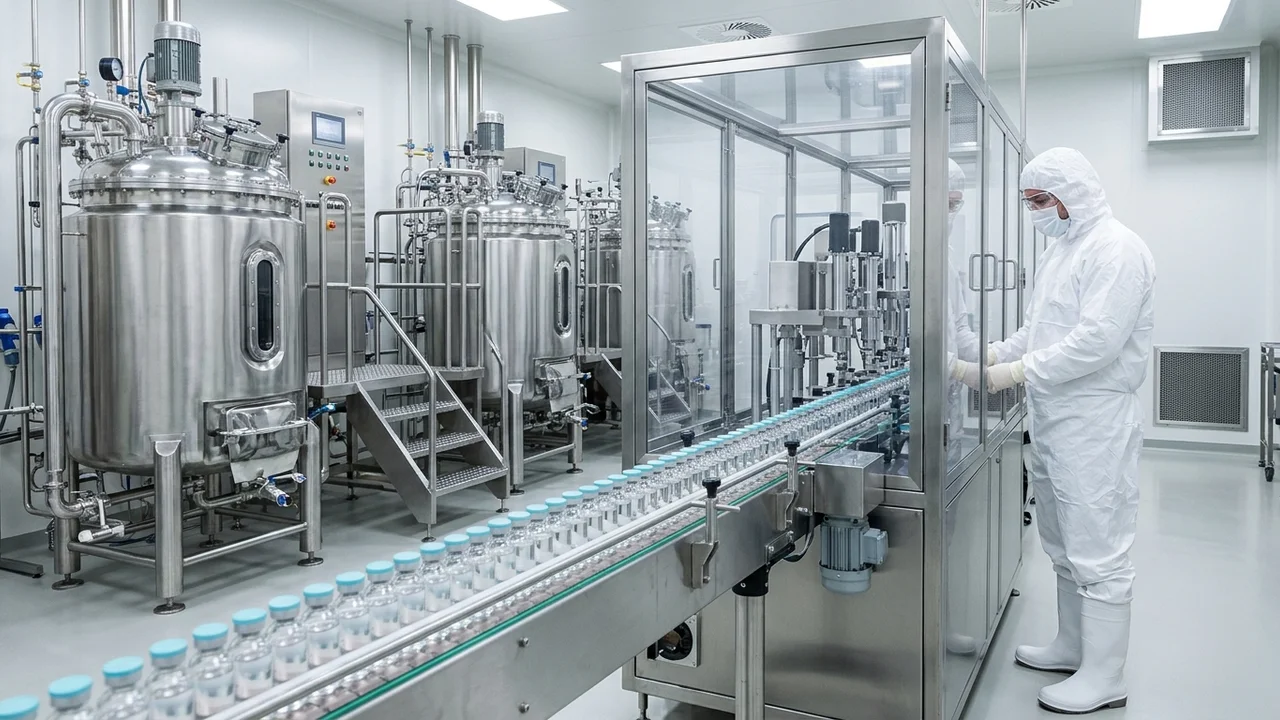
Pakistan Veterinary Pharmaceutical Industry Outlook 2027: Regulatory Modernization, Market Dynamics, and Quality Standards
An authoritative 2026–2027 strategic overview of Pakistan’s veterinary pharmaceutical sector, examining DRAP cGMP regulations, supply-chain resilience, export growth, and shifting livestock market dynamics.
Read article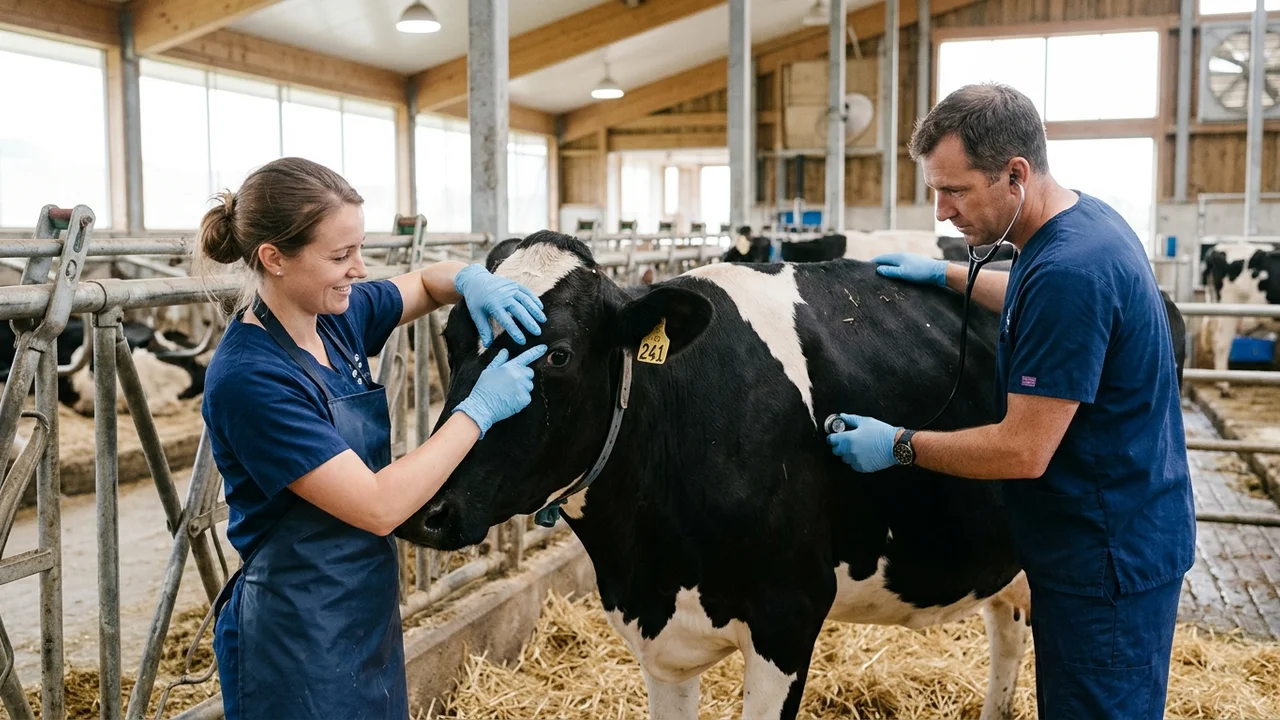
Antimicrobial Stewardship in Livestock: Responsible Antibiotic Use, AMR Risks, and Herd Health in Pakistan
An essential guide for Pakistani veterinarians and livestock producers on antimicrobial stewardship: prudent antibiotic selection, selective dry-cow protocols, AMR mitigation, and preventative herd biosecurity.
Read article
Veterinary Pharmaceutical Companies in Pakistan: Quality, Manufacturing and Animal Health
How veterinary pharmaceutical companies in Pakistan support animal health through manufacturing quality, registration, dosage-form selection and responsible medicine use.
Read article