
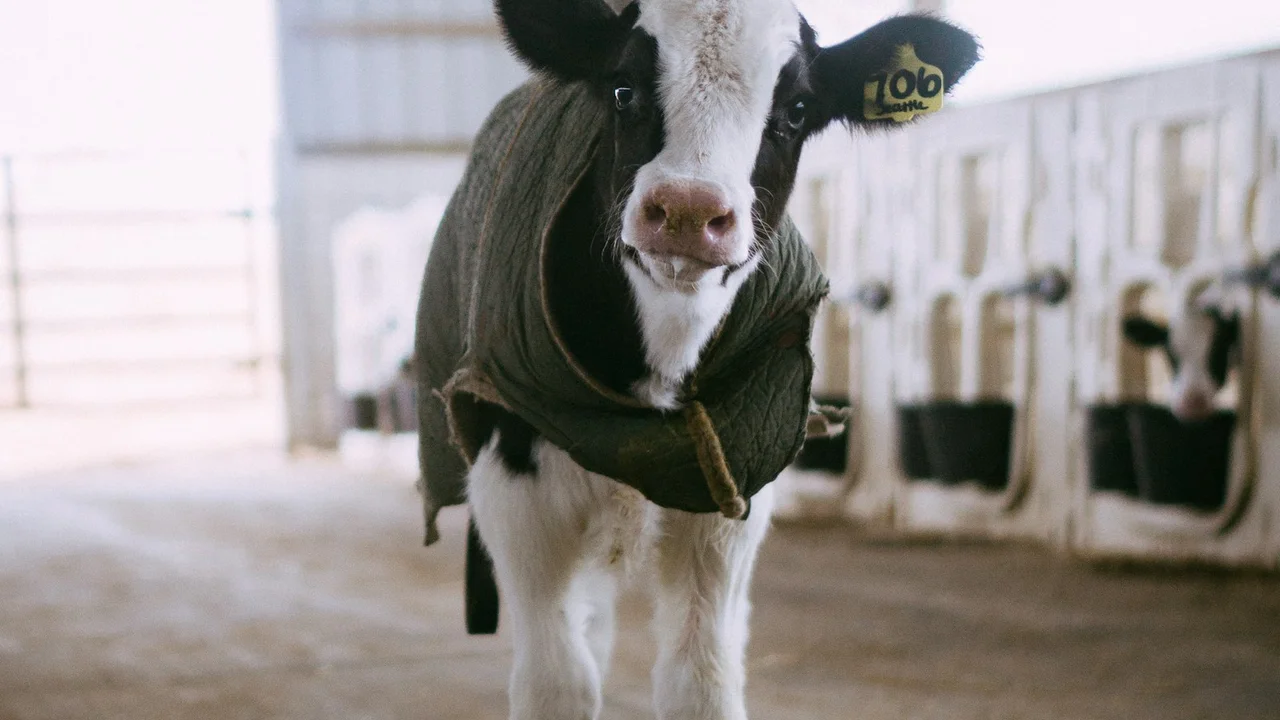
Integrated tick management and targeted antiprotozoal therapy shield cattle and buffaloes from devastating hemoparasitic infections in Pakistan.
Estimated reading time: 11 min read
Tick-borne hemoparasitic diseases constitute one of the most formidable biological barriers to profitable livestock and dairy farming in Pakistan. Across the fertile agricultural plains of Punjab, the semi-arid pastures of Sindh, and the rangelands of Balochistan, hard ticks—primarily of the genera Hyalomma, Rhipicephalus (Boophilus), and Haemaphysalis—thrive in the warm, humid climate. These ectoparasites do not merely cause physical irritation, hide damage, and blood loss; they act as highly efficient biological vectors for devastating intracellular protozoa and rickettsiae.
With the ongoing expansion of intensive dairy enterprises importing high-yielding European exotic cattle (Holstein-Friesian and Jersey), the economic devastation wrought by tick-borne diseases has escalated dramatically. Exotic breeds lack the evolutionary tick resistance of indigenous zebu cattle, suffering acute clinical collapse, abortion storms, and high mortality when exposed. This clinical guide delivers an evidence-based roadmap for diagnosing, managing, and controlling the three major tick-borne complexes in Pakistan: Tropical Theileriosis, Bovine Babesiosis, and Anaplasmosis.
Clinical Differentiation: Theileriosis, Babesiosis, and Anaplasmosis
- Tropical Theileriosis (Theileria annulata): Transmitted primarily by Hyalomma anatolicum ticks. The parasite undergoes schizogony within host lymphocytes and macrophages before merozoites invade erythrocytes. Pathognomonic clinical signs include: high persistent fever (40.5°C–41.5°C), dramatic bilateral enlargement of superficial lymph nodes (prescapular and precrural), ocular discharge, petechial hemorrhages on the sclera, severe anemia, and terminally, pulmonary edema with frothy nasal discharge. True hemoglobinuria is absent.
- Bovine Babesiosis (Babesia bigemina / B. bovis): Transmitted by blue ticks (Rhipicephalus microplus). Trophozoites replicate directly inside erythrocytes, causing acute, massive intravascular hemolysis. Hallmarks include: sudden spike in body temperature, intense red-to-dark coffee-colored urine (hemoglobinuria), profound pale-to-icteric (yellow) mucous membranes, rapid pulse, and marked dehydration. Without emergency antiprotozoal therapy, cerebral babesiosis with ataxia and head-pressing can manifest.
- Bovine Anaplasmosis (Anaplasma marginale): An obligate intracellular intraerythrocytic rickettsia transmitted biologically by ticks and mechanically by biting flies (Tabanus spp., Stomoxys spp.) or unsterilized injection needles. Unlike Babesiosis, Anaplasmosis causes extravascular hemolysis (erythrocytes destroyed by the spleen and liver reticuloendothelial system). Consequently, animals exhibit severe anemia, icterus, and fever, but no hemoglobinuria. The urine remains clear yellow, distinguishing it from redwater.
Diagnostic Methodology: Microscopic Confirmation and Cow-Side Tests
- Peripheral Blood Smear Examination: Prepare thin and thick blood smears from ear-vein blood (where hemoparasites concentrate in capillary circulation). Fix with absolute methanol and stain with 10% Giemsa stain for 30 minutes at pH 7.2. Babesia bigemina appears as paired, pear-shaped pyriform bodies inside erythrocytes joined at an acute angle; Theileria piroplasms appear as pleomorphic ring- or rod-shaped intraerythrocytic organisms; and Anaplasma presents as dense, round marginal chromatin bodies near the erythrocyte periphery.
- Lymph Node Biopsy Aspiration: In suspected Theileriosis, aseptically aspirate a swollen prescapular lymph node using a 20-gauge needle. Staining the aspirate smear reveals pathognomonic Koch’s blue bodies (multinucleated macromeronts) inside infected lymphoid cells, confirming active infection days before piroplasms appear in blood.
- Complete Blood Count (CBC): Evaluating packed cell volume (PCV) is vital. A normal bovine PCV is 26%–35%; severe hemoparasitic infection causes PCV to plunge below 12%–15%, indicating immediate requirement for supportive fluid therapy and cautious handling to prevent acute hypoxic heart failure.
For broader livestock diagnostic protocols, consult our overview on veterinary diagnostics and digital livestock technologies in Pakistan.

Integrated Tick Management (IPM): Breaking the Vector Lifecycle
- Chemical Acaricide Rotation: Apply registered veterinary acaricides (such as amitraz, cypermethrin, or deltamethrin) via plunge dips, high-pressure spray races, or pour-on formulations. To prevent acaricide resistance, alternate between chemical classes every 4 to 6 months. Never use sub-lethal concentrations, which accelerates genetic resistance among tick populations.
- Strategic Macrocyclic Lactones: Injectable long-acting ivermectin or doramectin delivers systemic endectocide activity, killing feeding ticks and sucking lice while simultaneously clearing internal gastrointestinal nematodes.
- Shed Environmental De-Ticking: Hard ticks, particularly Hyalomma, spend over 90 percent of their life cycle off the host, hiding in deep cracks, crevices, stone masonry, and earthen floors of animal sheds. Periodic flame-gunning of barn walls and spraying shed perimeters with environmental acaricides kills engorged female ticks and questing larvae.
- Pasture and Grazing Management: Avoid grazing exotic or young stock on tick-infested communal rangelands during peak post-monsoon months (August–October). Rotational grazing and resting pastures for 6 to 8 weeks starves questing larval ticks.
For integrated parasite control protocols covering both internal flukes and external parasites, explore our clinical guide on common internal parasites in livestock.
Public Health and Zoonotic Implications: Crimean-Congo Hemorrhagic Fever
Controlling Hyalomma ticks in Pakistan is not merely a veterinary economic issue; it is a critical public health priority. Hyalomma anatolicum and H. marginatum are the primary natural vectors and reservoirs for the Crimean-Congo Hemorrhagic Fever (CCHF) nairovirus. While the virus causes transient, subclinical infection in ruminants, it produces a catastrophic viral hemorrhagic fever in humans with case-fatality rates ranging from 10% to 40%.
Transmission to livestock handlers, dairy workers, and veterinary technicians occurs through direct tick bites or crushed tick fluids, and through direct contact with infected blood, fluids, or tissues during slaughtering and carcass handling. Strict pre-slaughter anti-tick dipping and personal protective equipment (PPE) are mandatory protocols to prevent human CCHF transmission.
Key Takeaways for Livestock Producers and Practitioners
- Rapid Differentiation is Lifesaving: Confirm whether hemoparasites are Theileria, Babesia, or Anaplasma via stained blood/lymph smears before administering specific antiprotozoal therapeutics.
- Exotic Breeds Demand Heightened Vigilance: Holstein-Friesians and Jerseys have zero natural tick resistance; enforce zero-tolerance tick protocols in exotic sheds.
- Treat the Shed, Not Just the Cow: Ticks spend over 90% of their life cycle in shed walls and crevices; flame-gun cracks and spray building perimeters regularly.
- Rotate Acaricide Classes: Prevent chemical resistance by rotating between amitraz, synthetic pyrethroids, and macrocyclic lactones.
- Enforce CCHF Precautions: Protect livestock staff and butchers from tick bites and fresh blood contact to prevent zoonotic Crimean-Congo Hemorrhagic Fever.
References and Scientific Literature
- WOAH Terrestrial Manual: Theileriosis and Babesiosis Disease Chapters.
- Veterinary Parasitology Journal — Epidemiology and acaricide resistance patterns of Hyalomma and Rhipicephalus ticks in South Asia.
- National Institutes of Health (NIH) Islamabad — CCHF epidemiological updates and public health guidelines for livestock handlers.
- University of Veterinary and Animal Sciences (UVAS) Lahore — Hemoparasitic prevalence and therapeutic evaluation in dairy crossbred cattle in Punjab.
Frequently Asked Questions
Prix Knowledge Centre
Stay informed on animal health insights
Receive updates on veterinary pharmaceuticals, poultry and livestock healthcare, and company news from Prix Pharmaceutica.
Explore our veterinary solutions
Browse veterinary pharmaceuticals and nutritional products for livestock, poultry, equine and companion animals, with technical support available on request.
Related articles
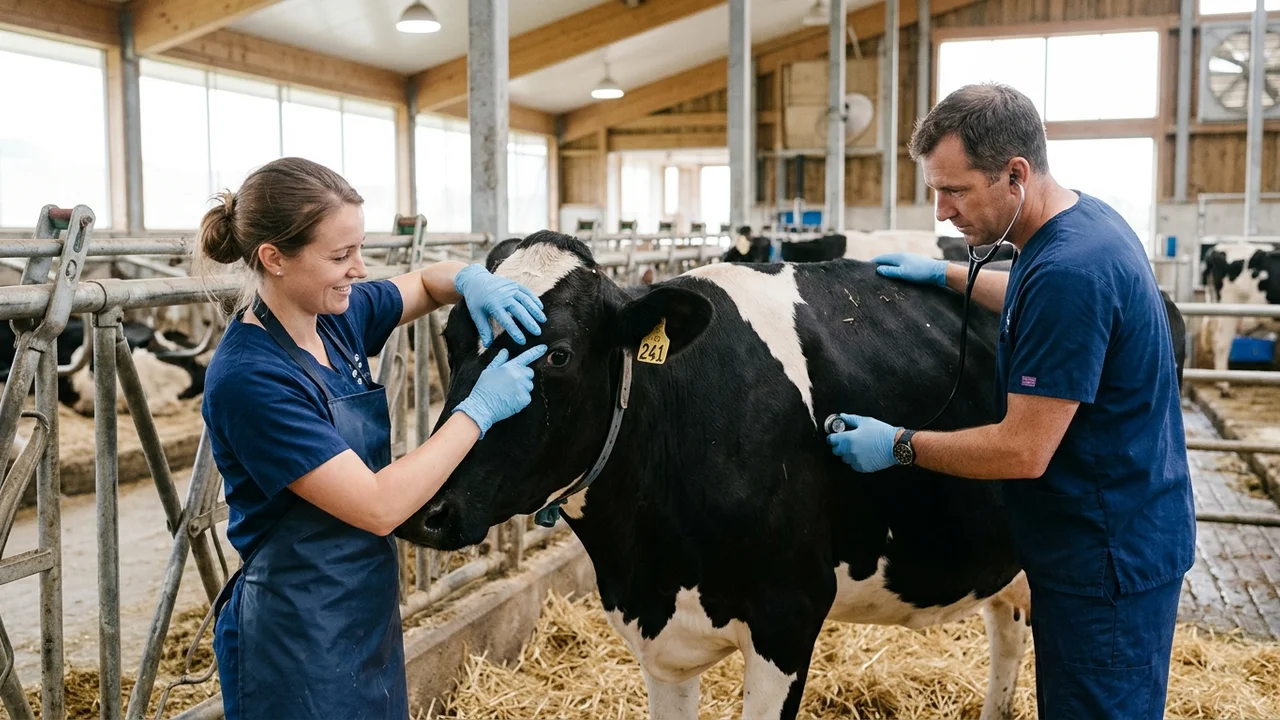
Antimicrobial Stewardship in Livestock: Responsible Antibiotic Use, AMR Risks, and Herd Health in Pakistan
An essential guide for Pakistani veterinarians and livestock producers on antimicrobial stewardship: prudent antibiotic selection, selective dry-cow protocols, AMR mitigation, and preventative herd biosecurity.
Read article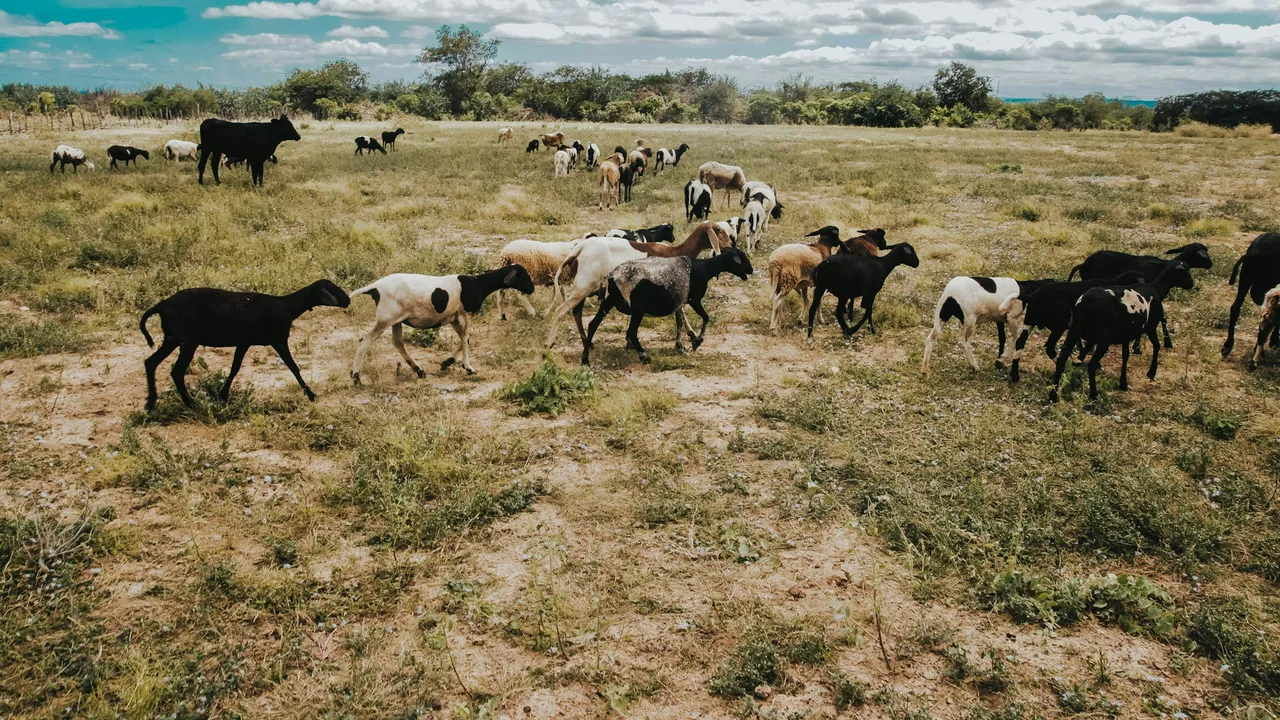
Common Internal Parasites in Cattle, Sheep and Goats: Signs, Diagnosis and Control
An educational overview of common internal parasites in cattle, sheep and goats covering parasite groups, possible signs, diagnosis, faecal egg counts, resistance and responsible control.
Read article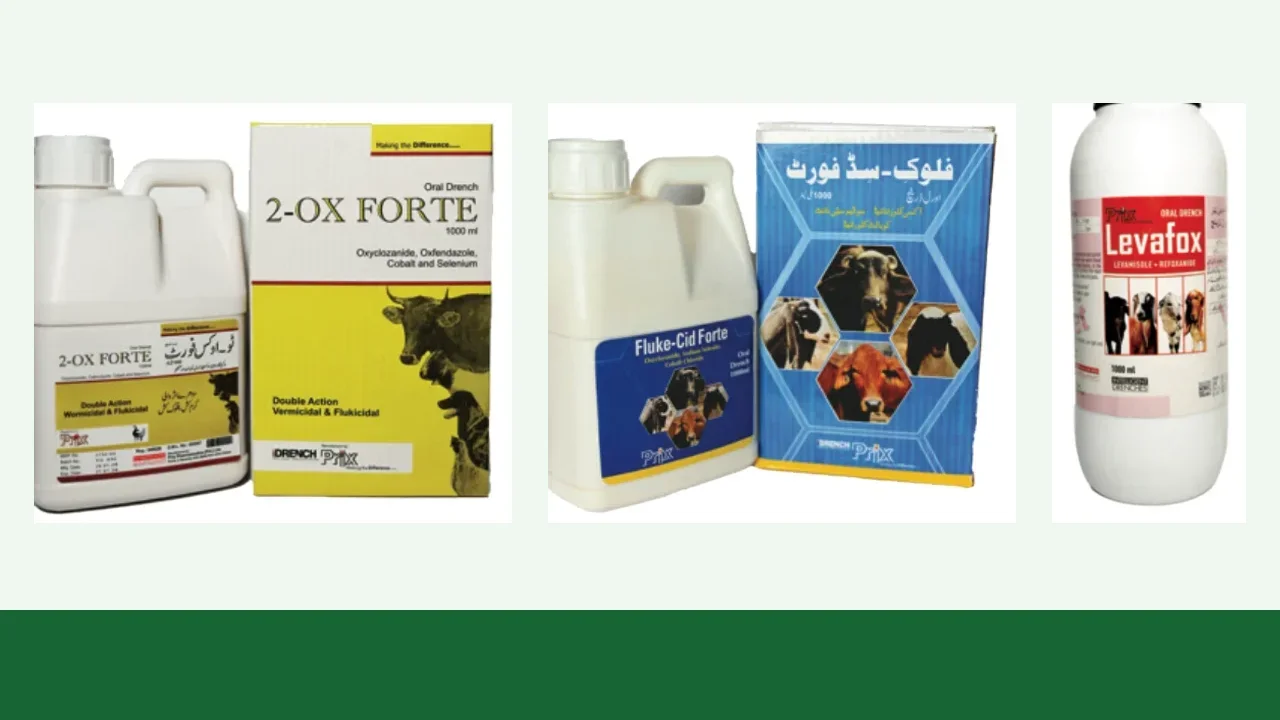
Livestock Deworming in Pakistan: Parasite Control, Anthelmintics and Veterinary Guidance
An educational guide to livestock deworming in Pakistan covering internal parasites, anthelmintics, resistance, farm management and responsible veterinary parasite control.
Read article